April 18, 2026

branding

Branding iron numbers are more than just a mark; they carry a legacy of identification and ownership across various industries. Historically rooted in livestock management, these unique identifiers have evolved significantly to adapt to modern craftsmanship and branding practices. Understanding their significance and usage can illuminate their vital role in both traditional and contemporary contexts.

From livestock management to artisanal crafts, branding iron numbers serve as a critical tool that ensures products and animals are easily identifiable. Crafted from durable materials, these irons not only withstand the test of time but also maintain clarity and precision in marking, making them indispensable in their respective industries.

Introduction to Branding Iron Numbers

Branding iron numbers are essential tools used primarily in livestock management, manufacturing, and various artistic applications to mark ownership or convey information. These unique identifiers help maintain organization and traceability across several industries, ensuring that products or animals can be easily recognized and tracked. Their significance lies not only in branding but also in the historical practices that have evolved into modern applications.The history of branding iron numbers dates back centuries, originally used by ranchers to identify their livestock.

The practice has evolved significantly, with advancements in technology leading to various methods of branding, including hot and cold branding. Over time, branding iron numbers have transitioned from simple symbols to more complex numerical identifiers, allowing for better tracking in agricultural settings, manufacturing processes, and even artwork. Today, these branding tools are often crafted from durable metals, designed to withstand the rigors of repeated use.

Materials Used for Branding Irons

The choice of materials for branding irons significantly impacts their durability, effectiveness, and the quality of the branding. Understanding these materials is crucial for selecting the right branding iron for specific applications. Common materials include:

  • Steel: The most popular material, steel branding irons offer excellent durability and heat retention, making them ideal for hot branding.
  • Brass: Used for creating intricate designs, brass is resistant to corrosion, which is beneficial for branding in humid environments.
  • Aluminum: Lightweight and less expensive, aluminum branding irons are suitable for less demanding applications, though they may not last as long as steel or brass.

Each material contributes differently to the branding process. For instance, steel retains heat effectively, allowing for clearer and more defined marks on the surface, whether it be leather, wood, or skin. In contrast, brass can produce intricate patterns, making it a favorite in artistic branding.

“Choosing the right material for a branding iron can significantly affect the clarity and longevity of the brand.”

Applications of Branding Iron Numbers

Branding iron numbers serve various essential functions across different industries. Their applications extend beyond mere identification and play a significant role in management, legal accountability, and craft authenticity. Understanding these applications provides insight into the significance of branding iron numbers in contemporary practices.

Industries Utilizing Branding Iron Numbers

Branding iron numbers are prevalent in several industries, primarily those that require precise identification and traceability. The following sectors commonly implement branding iron numbers:

  • Livestock Farming: Farmers use branding iron numbers to identify individual animals for breeding and health management.
  • Craft Artisans: Artisans apply branding iron numbers to mark handmade products, ensuring authenticity and quality.
  • Manufacturing: Many manufacturers utilize branding iron numbers for the precise marking of items, facilitating inventory control and tracking.
  • Forestry: In forestry, branding iron numbers help in identifying trees or timber plots for management and legal purposes.
  • Sports Equipment: Certain sports suppliers brand their goods with numbers for warranty claims and product management.

Role in Livestock Management

In livestock management, branding iron numbers provide a systematic way to track and manage animals. Each number represents unique animal information, aiding in various management practices. The critical aspects include:

  • Ownership Identification: Branding allows easy identification of ownership, which is crucial for preventing theft and disputes.
  • Health Records: Farmers can keep track of health history, vaccinations, and breeding information associated with each branded number.
  • Legal Compliance: Many regions require branding for legal identification of livestock, ensuring adherence to agricultural regulations.
  • Breeding Management: Effective breeding programs benefit from the ability to trace lineage through branded numbers.

Usage in Artisanal Crafts and Product Marking

Artisanal crafts often employ branding iron numbers to signify authenticity and craftsmanship. This practice enhances the perceived value of products and helps consumers make informed decisions. Important aspects include:

  • Brand Authenticity: A branding iron number serves as a mark of authenticity, assuring customers of the product’s origin and craftsmanship.
  • Quality Assurance: Craft artisans use branding to signify quality, as each product can be traced back to the maker.
  • Customer Loyalty: Unique branding fosters a sense of community among customers who appreciate handcrafted items and their origin stories.
  • Market Differentiation: Products with branding iron numbers stand out in a competitive market, attracting discerning customers.

“Branding iron numbers not only ensure identification but also add value and authenticity to products across various industries.”

Creating Custom Branding Iron Numbers
What Is Brand Identity? | The Branding Journal

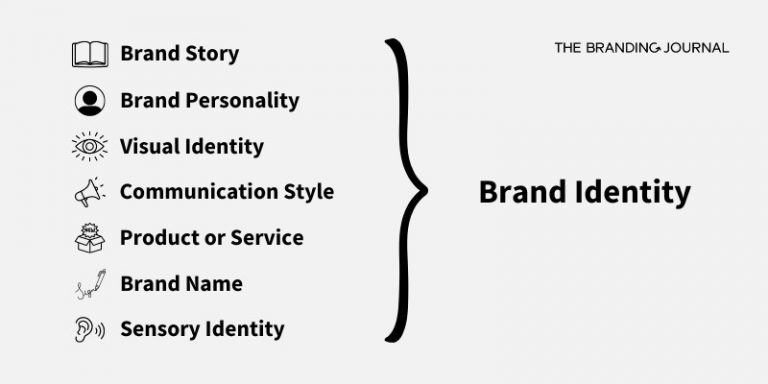
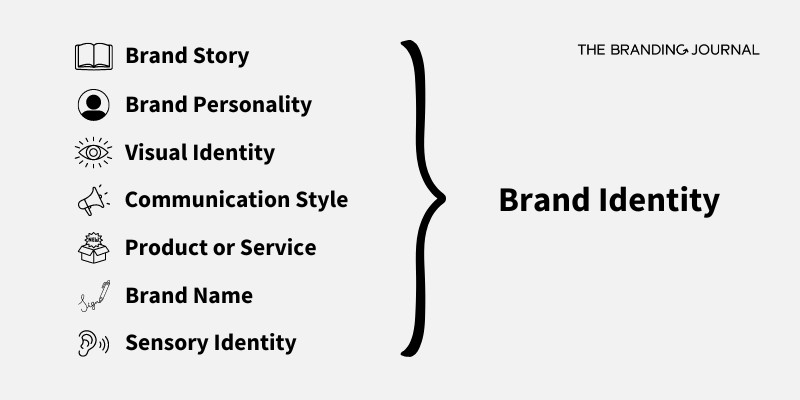
Designing custom branding iron numbers is an essential process for businesses and artisans alike, as it allows for personal branding and unique identification. A well-designed branding iron number not only enhances the visual appeal of products but also conveys professionalism and attention to detail. This section Artikels the steps to create custom branding iron numbers, the factors influencing font and size selection, and useful software tools to assist in the design process.

Step-by-Step Process for Designing Branding Iron Numbers

Creating custom branding iron numbers involves a series of methodical steps:

1. Define Your Purpose

Determine the primary use of your branding iron numbers, whether for personal use, product identification, or business branding. This foundational understanding will guide your design choices.

2. Choose the Right Material

Select a durable material for your branding iron, typically steel or brass, based on the intended use and the surface you’ll be branding. Different materials can affect the final look.

3. Design the Layout

Plan the layout of your numbers. This includes deciding on the arrangement and spacing. Hand-drawing a rough sketch can be beneficial for visualizing the final product.

4. Select Fonts and Sizes

Choose a font that reflects your brand identity and is legible. The font size should be appropriate for the branding area, ensuring that numbers are easily recognizable.

5. Create a Digital Version

Use design software to create a digital version of your branding iron numbers. This step will help you visualize the end product and make necessary adjustments.

6. Prototype Creation

If possible, create a prototype of your branding iron number. Testing it on various surfaces can provide insights into effectiveness and clarity.

7. Final Adjustments

Based on prototype feedback, make any final adjustments to your design before moving to production.

Factors to Consider When Selecting Fonts and Sizes

Selecting the right fonts and sizes for branding iron numbers is crucial for achieving clarity and brand representation. Consider the following factors:

Readability

Choose fonts that are easy to read from a distance or on the branded surface. Avoid overly intricate designs that may become unclear when burned into material.

Brand Identity

The font should reflect your brand’s personality. For example, a modern business might opt for sleek, sans-serif fonts, while a rustic brand may prefer serif or handwritten styles.

Impact of Size

The size of the numbers should match the branding area available. Larger numbers are more visible from a distance, while smaller numbers can be used for intricate designs.

Material Compatibility

Some fonts may not translate well on certain materials. Test different fonts to see how they appear when burned into the desired surface.

Cohesion with Other Elements

Ensure the font style aligns with other branding elements like logos or packaging design for a uniform appearance.

Software Tools for Designing Branding Iron Numbers

Utilizing appropriate software tools can significantly streamline the design process for branding iron numbers. Here are some recommended options:

Adobe Illustrator

A professional vector graphic design tool that enables precision in creating and modifying typography and layouts. It’s ideal for detailed designs and can export files suitable for laser cutting.

CorelDRAW

Another powerful graphic design software that offers features tailored for creating logos and branding materials, making it a great choice for branding iron number design.

Inkscape

A free, open-source vector graphics editor that provides tools for creating custom designs. It’s user-friendly and suitable for those just starting with design software.

Canva

A web-based design platform that offers templates and user-friendly design tools. While not as advanced as the other options, it can be useful for quick designs and mockups.

Silhouette Studio

Specifically designed for creating cut files for crafting machines, this software is helpful for designing simple branding iron numbers and can also assist in aligning and spacing numbers accurately.

Techniques for Using Branding Irons

Applying branding iron numbers is an art that requires both skill and knowledge of the materials being used. Understanding the proper techniques will not only ensure clear branding but also enhance the longevity and quality of the imprint. This section covers essential techniques for applying branding iron numbers, including the different materials you might work with and the precautions to take for safety and effectiveness.

Applying Branding Iron Numbers to Different Materials

When it comes to branding, the technique will vary significantly depending on the material being branded. Here are some common materials and their specific application techniques:

Wood

For wood, it’s vital to preheat the branding iron adequately. Position the iron firmly against the wood surface. Hold it in place for about 5 to 10 seconds, depending on the wood density. The goal is to achieve a deep, clear imprint without burning the wood.

Leather

Leather requires a slightly different approach; it’s best to heat the branding iron to a moderate temperature. Quickly apply the iron to the leather surface and press down firmly for a few seconds. The moisture in the leather will help achieve a crisp imprint.

Metal

Branding metal often involves high temperatures. Preheat the branding iron and apply it to the surface for 5 to 15 seconds. Ensure you have ample pressure on the iron for a distinct mark. It’s crucial to test on a scrap piece first to avoid damage.

Plastic

When branding plastic, ensure the iron is not too hot, as it can melt the material. A moderate temperature applied for a short duration (2 to 5 seconds) is typically sufficient for a clear imprint.

Safety Precautions When Using Branding Irons

Safety should always be a priority when working with branding irons, which can reach extremely high temperatures. Here are essential precautions to consider:

Protective Gear

Always wear heat-resistant gloves and safety goggles to protect your hands and eyes from potential burns and hot debris.

Ventilation

Use branding irons in a well-ventilated area to avoid inhaling fumes that might be emitted from heated materials.

Surface Preparation

Ensure the work surface is stable and free from flammable materials. A non-flammable surface like a metal workbench is ideal.

Hot Tools Management

Always place the hot branding iron on a designated heat-resistant surface when not in use. Never leave it unattended.

Achieving Consistent and Clear Branding Results

Consistency and clarity are vital for effective branding. Here are tips to help you achieve the desired results:

Temperature Control

Maintain a consistent temperature for the branding iron. Fluctuations can lead to uneven imprints. Use a thermometer if available.

Firm Pressure

Apply consistent pressure across the branding iron when making contact with the material. Uneven pressure can lead to partial or unclear branding.

Test Runs

Always conduct test runs on scrap materials to fine-tune your technique before applying to the final product. This helps in adjusting temperature and timing for optimal results.

Clean Branding Iron

Regularly clean the branding iron to remove any residue that can affect the quality of the imprint. Use a wire brush or cloth while the iron is still warm.

Timing

Timing is key; too long can scorch the material, while too short may result in a faint mark. Experiment until you find the perfect duration for each specific material.By mastering these techniques, safety measures, and tips, you’ll be well on your way to creating high-quality branded products with stunning clarity and consistency.

Maintenance and Care of Branding Irons

Maintaining your branding irons is essential for ensuring their longevity and effectiveness. Proper care prevents rust, extends their usability, and ensures that they consistently deliver high-quality results. This section will cover essential methods for cleaning and maintaining your branding iron tools, address common issues, and discuss proper storage techniques.

Cleaning and Maintaining Branding Iron Tools

Regular cleaning of branding irons is crucial to their performance. Residue build-up can negatively impact the quality of your branding. Here are effective methods to keep your branding irons in top condition:

  • After each use, allow the branding iron to cool down completely. This minimizes the risk of burns and allows for safe handling.
  • Wipe down the branding surface with a soft cloth to remove excess soot and debris. If necessary, a mild soap solution can be used to clean stubborn grime.
  • To prevent rust, apply a thin layer of mineral oil or vegetable oil to the metal parts after cleaning. This creates a protective barrier against moisture.
  • Avoid soaking branding irons in water as prolonged exposure can cause rusting and damage to the iron’s heating element.

Troubleshooting Common Issues with Branding Irons

Branding irons can encounter a few common issues that may affect their performance. Understanding these problems and their solutions can help you stay prepared and ensure smooth operation.

  • If the branding iron does not heat up properly, check the power source and connections. Faulty wiring can lead to insufficient heating.
  • For inconsistent branding marks, examine the branding surface for dirt or oxidation. Cleaning the surface can resolve this issue.
  • Occasional smoke may indicate that the branding iron has excess oil or debris. Ensure proper cleaning before use to eliminate this problem.
  • If the branding mark appears faded or incomplete, verify that the iron is heated sufficiently before applying it to the material. Optimal temperature is essential for clear impressions.

Proper Storage Techniques for Branding Irons

Proper storage is vital to extend the lifespan of branding irons and maintain their effectiveness. Here are some important storage tips:

  • Store branding irons in a dry and cool environment to prevent rust. Exposure to humidity can lead to corrosion.
  • Utilize a protective case or pouch to safeguard the branding irons from physical damage and dust accumulation.
  • Keep branding irons away from direct sunlight, which can affect their material and performance over time.
  • Consider labeling your branding irons if you have multiple designs, ensuring easy identification and access when needed.

Regular maintenance and proper care of branding irons not only enhance their performance but also prolong their lifespan, ensuring you get the best results every time.

Legal Considerations and Regulations

The use of branding iron numbers in livestock comes with various legal considerations and regulations that vary by region. Understanding these requirements is vital for compliance and ethical practice. The act of branding is not just about identification; it encompasses the welfare of animals and adherence to specific laws that protect both livestock and their owners.Legal requirements surrounding branding iron numbers primarily focus on the identification of livestock for ownership, tracking, and health management.

In many jurisdictions, livestock must be branded according to local laws to prevent theft and ensure traceability. The branding must be done in a way that minimizes pain and stress to the animal, as legislation protects livestock from inhumane treatment.

Regulations by Region

Different regions and countries have specific regulations that govern livestock branding. These regulations often include guidelines on the types of brands allowed, the materials used, and the age at which animals can be branded. Some common regulatory aspects include:

  • United States: Each state has its own branding laws; for example, the U.S. requires that cattle brands be registered with state authorities to avoid duplication. The Animal Welfare Act mandates humane treatment during the branding process.
  • Canada: Similar to the U.S., Canada has provincial regulations that require livestock to be marked for identification, typically through an approved method that includes branding.
  • European Union: The EU has strict regulations on animal welfare, which apply to branding. Branding is often discouraged and alternatives like ear tags are recommended to ensure less invasive identification methods.

Ethical Considerations in Branding Practices

The ethical implications of branding livestock cannot be overlooked. Branding practices must align with animal welfare standards, considering the pain and stress that branding may inflict on the animals. Ethical branding emphasizes humane techniques that reduce suffering.Key ethical considerations include:

  • Minimizing Pain: Techniques such as using anesthetics during the branding process can help mitigate pain, though their use varies by region and regulation.
  • Alternatives to Branding: Many farmers are exploring alternatives such as microchipping or ear tagging, which provide identification without the same level of discomfort associated with branding.
  • Public Perception: Increasing public scrutiny over animal welfare means that livestock owners must be mindful of how branding practices are viewed by consumers, which can impact marketability.

Future Trends in Branding Iron Numbers

The branding iron numbers industry is experiencing a shift driven by technological advancements, consumer preferences, and environmental awareness. These trends are shaping the future of how branding iron numbers are designed, produced, and utilized. Understanding these emerging trends is essential for businesses looking to stay competitive in their branding efforts.

Emerging Technologies Influencing Design and Production

The integration of advanced technologies is enhancing the design and production of branding iron numbers. Various innovations are reshaping how these tools are manufactured and utilized, leading to more efficient and precise branding solutions. Key technologies include:

  • 3D Printing: This technology allows for rapid prototyping and customization of branding irons. Businesses can create unique designs tailored to their branding needs without extensive lead times.
  • Laser Engraving: Laser technology provides high precision in creating intricate designs and numbers, resulting in crisp and clear branding. This method is increasingly popular for producing detailed branding that stands out.
  • Digital Design Software: Advanced software enables users to create and modify designs with ease. This accessibility empowers businesses of all sizes to engage in personalized branding efforts without the need for extensive design expertise.

Impact of Personalization and Customization

The demand for personalized branding is surging as consumers seek unique products that reflect their individuality. Custom branding iron numbers are becoming a popular choice for small businesses, artisans, and hobbyists who wish to add a personal touch to their creations. The benefits of personalization include:

  • Brand Differentiation: Unique branding helps businesses stand out in a crowded market, attracting customers looking for something special and tailored to their preferences.
  • Emotional Connection: Personalized products often create a stronger emotional bond with consumers, enhancing customer loyalty and repeat business.
  • Flexibility in Branding: The ability to customize branding iron numbers allows businesses to adapt to evolving trends and customer preferences quickly.

Trend of Eco-Friendly Branding Solutions and Materials

As environmental consciousness grows, the branding industry is moving towards sustainable practices. Eco-friendly branding solutions are gaining traction, driven by both consumer demand and regulatory pressures. Important aspects include:

  • Sustainable Materials: The use of biodegradable and recyclable materials in the production of branding irons is becoming standard. Options like bamboo, recycled metals, and plant-based plastics are gaining popularity.
  • Energy-Efficient Manufacturing: Manufacturers are adopting energy-efficient practices to reduce their carbon footprint, with technologies that minimize waste and optimize resource use.
  • Environmentally Responsible Disposal: Businesses are encouraged to implement recycling programs for used branding irons, promoting a circular economy and reducing landfill waste.

“Adopting eco-friendly branding practices not only aligns with consumer values but also showcases a brand’s commitment to sustainability.”

Concluding Remarks

In conclusion, branding iron numbers represent a fusion of history, functionality, and artistry, embodying the essence of identification across various sectors. As we look towards the future, the potential for customization and eco-friendly solutions promises to enhance their relevance and appeal. Embracing these developments ensures that branding iron numbers will continue to be a key element in both tradition and innovation.

Expert Answers

What materials are used for branding iron numbers?

Common materials include steel, brass, and aluminum, chosen for their durability and heat resistance.

Can branding iron numbers be customized?

Yes, branding iron numbers can be fully customized in terms of font, size, and design to fit specific needs.

Are there safety precautions when using branding irons?

Absolutely, it’s essential to wear protective gear and follow proper handling techniques to avoid burns and injuries.

How can I maintain my branding iron?

Regular cleaning, proper storage, and checking for wear and tear can significantly extend the life of branding irons.

Are there legal regulations for branding in livestock?

Yes, legal requirements may vary by region and often include guidelines on identification practices for livestock.
Branding iron display sets the stage for this enthralling narrative, offering readers a glimpse into the captivating world where marketing meets creativity. These displays are not just tools; they are vital components that enhance product presentation and create lasting impressions on consumers.

From traditional craftsmanship to modern innovations, branding iron displays play a crucial role in shaping brand recognition and influencing consumer behavior. As we explore the types, design strategies, and future trends of these displays, it becomes clear that effective branding has a profound psychological impact that can elevate a brand’s presence in the market.

Importance of Branding Iron Displays

Branding iron displays play a vital role in the marketing landscape, serving as a powerful tool for product presentation and brand identity. These displays serve not only to showcase products but also to convey a brand’s values and personality to potential consumers. When designed effectively, branding iron displays can capture attention, provide essential information, and reinforce the overall brand message in a cohesive manner.The significance of branding iron displays in enhancing brand recognition cannot be overstated.

A well-crafted display not only attracts the eyes of potential customers but also etches the brand’s identity in their minds. Effective displays leverage colors, logos, and unique designs to create an instant association with the brand, making it easily recognizable in a crowded marketplace.

Psychological Impact of Branding on Consumer Behavior

Understanding the psychological impact of branding on consumer behavior is crucial for businesses aiming to thrive in competitive industries. Branding iron displays can influence consumer perception and purchasing decisions in several ways.

Emotional Connection

A strong brand often evokes emotions, creating a sense of loyalty among consumers. Effective branding iron displays tap into these emotions, establishing a connection that goes beyond mere product features.

Trust and Credibility

Consistency in branding across displays fosters trust. Consumers are more likely to purchase from brands they perceive as reliable. A polished branding iron display communicates professionalism and attention to detail, reinforcing credibility.

Differentiation

In markets saturated with similar products, branding iron displays provide a means of differentiation. They highlight unique selling propositions (USPs) and distinct characteristics that set a product apart from its competitors.

Visual Memory

The brain processes visual information faster than text, making branding iron displays effective in imprinting brand images in consumer memory. Well-designed visuals can lead to increased recall when consumers are making purchasing decisions.

Impulse Purchases

Attractive displays can trigger impulse buying behavior, effectively enticing consumers to make unplanned purchases. This is particularly relevant in retail environments where the layout and display strategy can influence foot traffic and sales.In summary, the strategic use of branding iron displays can significantly affect consumer behavior, turning casual observers into loyal customers. The thoughtful combination of emotional engagement, trust-building, differentiation, and visual appeal creates a potent marketing tool that drives brand success.

Types of Branding Iron Displays

Branding iron displays are essential tools for conveying a brand’s identity and values. They vary widely across different industries and can be tailored to suit specific branding needs. Understanding the types of branding iron displays can help businesses effectively showcase their unique characteristics and differentiate themselves in the marketplace.Branding iron displays come in various styles that serve different purposes across industries such as food service, agriculture, and retail.

Each industry utilizes a distinct approach to branding, which is reflected in the design and materials of their branding iron displays.

Traditional Branding Iron Displays

Traditional branding iron displays often feature classic designs that highlight the historical significance of the brand. These displays are typically crafted from durable metals and showcase intricate designs that represent the brand’s heritage. Examples include:

  • Blacksmith Style: Often used in agriculture, these branding irons are made from solid steel and feature a simple design that allows livestock owners to mark their animals with ease.
  • Wooden Signboards: Common in restaurants, wooden signboards display branding through carved or burned messages and logos, creating a rustic and authentic look.

Modern Branding Iron Displays

Modern branding iron displays incorporate contemporary design elements and materials to create a more polished and sleek appearance. They often utilize cutting-edge technology and innovative materials, such as:

  • Laser-Cut Displays: These branding irons are made using advanced laser technology, allowing for precise and intricate designs that can be replicated effortlessly. This is particularly popular in the retail and promotional sectors.
  • LED-Illuminated Displays: Used for marketing in trendy cafes and restaurants, these displays combine branding irons with LED lights to create eye-catching visuals that attract customers.

Comparison of Materials Used

The choice of materials for branding iron displays significantly affects their durability, appearance, and functionality. Below is a comparison of commonly used materials:

Material Benefits Typical Use
Steel Highly durable, can withstand high temperatures Agricultural branding irons, industrial applications
Wood Environmentally friendly, offers a rustic aesthetic Restaurants, boutique shops
Acrylic Lightweight, customizable, great for modern displays Retail displays, event branding
Aluminum Corrosion-resistant, lightweight yet sturdy Outdoor signage, promotional items

“The choice of material plays a crucial role in the effectiveness and longevity of branding iron displays.”

Designing an Effective Branding Iron Display

Creating a branding iron display is an essential step in showcasing your brand identity, products, and values. A well-designed display not only attracts attention but also communicates the essence of your brand to potential customers. Key elements like layout, functionality, and aesthetics play a crucial role in the effectiveness of your branding iron display.In the design process, consider how these elements work together to create a cohesive presentation that resonates with your target audience.

A well-thought-out display can enhance brand recognition and leave a lasting impression on viewers.

Key Elements to Consider in Design

When designing a branding iron display, several key aspects should be kept in mind to ensure its effectiveness. These elements contribute significantly to the overall success of the display.

  • Layout: A clean and organized layout helps guide the viewer’s eye, making it easier to absorb the information presented.
  • Branding Elements: Incorporate your logo, tagline, and unique selling points prominently to reinforce brand identity.
  • Material Quality: Use durable materials that reflect the quality of your brand, ensuring the display withstands wear and tear.
  • Functionality: Ensure the display is user-friendly, allowing for easy interaction and accessibility to products or information.
  • Size and Scale: Choose the right dimensions for your display to fit the intended space without overwhelming or underwhelming the audience.

Essential Features Checklist

To create an effective branding iron display, a checklist of essential features can ensure that all necessary components are included. This can serve as a guide to evaluate your design as it develops.

  • Brand logo displayed prominently
  • Contact information readily available
  • Clear and concise messaging
  • High-quality graphics and imagery
  • Interactive elements, if applicable (e.g., QR codes or touchscreens)
  • Lighting that enhances visibility
  • Durable materials suitable for the environment

Color Schemes and Their Implications

Color plays a fundamental role in the perception of your branding iron display. The choice of colors can evoke emotions and influence consumer behavior, making it an essential consideration in your design.Using color strategically can help establish brand identity and convey the right message. For instance, blue often represents trust and reliability, while red can evoke excitement and urgency. When selecting a color scheme, consider the following implications:

  • Brand Consistency: Maintain color consistency with your brand’s existing palette to strengthen brand recognition.
  • Psychological Impact: Different colors can evoke various emotions; select colors that align with the feelings you want to inspire in your audience.
  • Contrast and Visibility: Ensure your chosen colors contrast well enough to maintain readability and visibility in different lighting environments.

“Colors can significantly influence consumer perceptions and behaviors, making careful selection crucial for effective branding.”

Consider testing different color combinations to see how they resonate with your audience. A well-designed branding iron display with thoughtful color choices will not only attract attention but also foster a deeper connection with your brand.

Placement and Visibility Strategies

In the world of retail, the strategic placement and visibility of branding iron displays can mean the difference between a sale and a missed opportunity. It’s essential to consider various factors that contribute to maximizing the effectiveness of these displays in attracting customers’ attention and encouraging engagement. This section delves into practical strategies for positioning branding iron displays in retail environments, enhancing their visibility, and effectively utilizing lighting to draw focus.

Optimal Placement of Branding Iron Displays

Strategically placing branding iron displays within a retail space significantly impacts customer interaction. Here are key strategies to consider:

  • High Traffic Areas: Position displays near entrance points or checkout areas where foot traffic is highest. This ensures maximum exposure to customers entering or exiting the store.
  • Eye Level Placement: Place displays at eye level or slightly above to capture attention. Studies show that items at eye level are more likely to be noticed and engaged with.
  • Complementary Product Pairing: Situate branding iron displays next to related products. For example, if your branding iron is for grilling, place it near grilling accessories. This encourages cross-selling and attracts customers interested in those items.

Enhancing Visibility in Crowded Spaces

In busy retail environments, it’s crucial to make branding iron displays stand out amidst the competition. Here are methods to enhance visibility:

  • Clear Signage: Use large, bold text and eye-catching graphics on signage to convey information quickly and effectively. This grabs attention even in crowded areas.
  • Unique Shapes and Designs: Employ distinctive shapes or creative designs for the displays themselves. Unconventional forms can intrigue customers and draw them closer.
  • Mobility: Consider mobile displays that can be moved to different locations throughout the day, depending on foot traffic patterns. Flexibility can significantly enhance visibility.

Utilizing Lighting to Attract Attention

Effective lighting can dramatically improve the visibility of branding iron displays. Here are tips for leveraging lighting effectively:

  • Spotlight Focus: Use directed lighting to highlight branding iron displays. Spotlights can create a focal point, drawing customers’ eyes directly to the display.
  • Color Temperature: Choose warm lighting to create an inviting atmosphere. Warm lights can enhance the aesthetics of the branding iron and make it more appealing to potential buyers.
  • Illuminated Signage: Integrate backlighting or illuminated sections in signage to create a halo effect that enhances visibility, especially in dimly lit areas.

“The right placement and visibility strategies can transform a simple branding iron display into a captivating focal point, driving customer engagement and sales.”

Case Studies of Successful Branding Iron Displays

Company identity, marketing and promotional campaign. Personal brand ...

Branding iron displays have become a vital aspect of visual merchandising for many brands, effectively communicating their identity and values to consumers. In this section, we will delve into specific examples of successful branding iron displays from well-known brands, analyzing how strategic implementation contributed to their successes.The effectiveness of branding iron displays can often be traced back to a few key strategies, including unique design elements, engaging storytelling, and optimal placement.

By examining successful case studies, we can identify common themes and techniques that resonate across various industries.

Notable Examples of Successful Branding Iron Displays

A few standout examples of branding iron displays highlight the principles of effective design and strategic placement in a retail environment.

Coca-Cola’s Polar Bear Display

Coca-Cola implemented a large, life-sized branding iron display featuring their iconic polar bear, strategically placed in high-traffic areas during the holiday season. This display not only reinforced brand recognition but also engaged customers emotionally. The use of vibrant colors and festive themes created an inviting atmosphere that encouraged social media sharing and customer interaction.

Apple’s Minimalist Approach

Apple stores utilize branding iron displays that focus on clean lines and minimalism. Their displays often feature products in a simple, uncluttered setting, emphasizing the sleek design of their devices. This strategy not only draws attention to the products themselves but also aligns with Apple’s brand ethos of sophistication and innovation.

Nike’s Interactive Displays

Nike has successfully integrated technology into their branding iron displays, featuring touchpoints where customers can engage with the brand’s story. For example, displays in flagship stores allow customers to customize products or learn about the technology behind the gear. This interactive approach fosters a deeper connection between the consumer and the brand, enhancing the overall experience.

Starbucks’ Seasonal Displays

Starbucks frequently updates its branding iron displays to reflect seasonal offerings. Their holiday-themed displays often incorporate elements like festive colors and symbols, enhancing the in-store experience. The displays not only promote limited-time products but also reinforce Starbucks’ image as a warm and inviting brand.

Lego’s Playful Presentation

Lego stores feature vibrant and colorful branding iron displays that invite customers to engage with the products. The displays often include giant Lego models, which not only attract attention but also encourage creativity and playfulness. This fun, engaging approach aligns perfectly with Lego’s brand identity and mission to inspire creativity in children and adults alike.These examples illustrate how effective branding iron displays can significantly enhance brand visibility and consumer engagement.

By implementing unique design elements, leveraging emotional connections, and utilizing interactive features, brands can create memorable experiences that resonate with their target audiences.

“Strategically designed branding iron displays can transform a simple shopping experience into an engaging journey, fostering deeper brand loyalty.”

Maintenance and Longevity of Branding Iron Displays

Maintaining branding iron displays is crucial for ensuring their long-term effectiveness and visual appeal. Over time, dust, dirt, and environmental factors can deteriorate the quality and impact of these displays. Regular maintenance not only prolongs the lifespan of the displays but also helps to keep branding efforts consistent and professional.Effective maintenance requires understanding the best cleaning practices and knowing how to care for various types of displays.

Different materials may need specific attention, and neglecting this can lead to fading, rust, or structural damage. Keeping your branding iron displays in tip-top condition can enhance customer perception and reinforce brand loyalty.

Importance of Regular Maintenance

Regular maintenance of branding iron displays is vital as it ensures their visibility and effectiveness as marketing tools. Displays that are clean and well-maintained reflect positively on the brand, creating a professional atmosphere. Neglecting displays can lead to deterioration, which may convey a lack of care or commitment to quality.

Step-by-Step Guide for Cleaning and Maintaining Displays

To keep branding iron displays in optimal condition, follow these systematic steps tailored for various types of materials:

1. Metal Displays

Dusting

Use a soft cloth or feather duster to remove surface dust.

Cleaning Solution

Prepare a mixture of mild soap and warm water.

Scrubbing

Gently scrub with a non-abrasive sponge.

Rinsing

Rinse with clean water to remove soap residue.

Drying

Wipe dry with a microfiber cloth to prevent water spots.

Protecting

Apply a metal protectant to prevent rust.

2. Wood Displays

Dusting

Regularly use a soft cloth to prevent dust accumulation.

Cleaning

For deeper cleaning, use a wood cleaner or a mixture of vinegar and water.

Conditioning

Periodically apply a wood conditioner or polish to maintain luster.

Protection

Use coasters or protective pads under items to prevent scratches.

3. Fabric Displays

Dusting

Use a handheld vacuum or lint roller for fabric dust.

Spot Cleaning

For stains, use a fabric cleaner and follow the instructions carefully.

Washing

Machine wash if the fabric type allows; air dry to prevent shrinkage.

Storage

Store in a cool, dry place when not in use to prevent mildew.

Factors Affecting Durability of Branding Iron Displays

The durability of branding iron displays can be influenced by several factors that should be taken into account during the design and maintenance process. These include:

Material Quality

High-quality materials such as stainless steel or treated wood typically last longer than cheaper alternatives.

Environmental Conditions

Displays exposed to moisture, extreme temperatures, or direct sunlight may degrade faster. Protective coatings can mitigate these effects.

Handling and Usage

Frequent handling or movement can lead to wear and tear. Investing in sturdy displays and ensuring proper installation can counteract this.

Maintenance Practices

As discussed, consistent and appropriate cleaning and care directly impact the longevity of the displays.By understanding these elements and implementing regular maintenance, branding iron displays can continue to serve as effective marketing tools, enhancing brand visibility and recognition over time.

Future Trends in Branding Iron Displays

As branding continues to evolve, so do the strategies behind branding iron displays. The future is seeing fascinating innovations and shifts in consumer preferences that promise to reshape how brands engage with their audiences through displays. These trends not only highlight technological advancements but also reflect changing consumer behaviors that demand more from branding efforts.One of the most significant developments in branding iron displays is the integration of digital technology.

Digital displays are becoming increasingly popular as they offer dynamic content that can be easily updated and customized based on various factors such as time of day, audience demographics, and promotional campaigns. This shift presents both opportunities and challenges for traditional branding iron displays.

Impact of Digital Displays on Traditional Branding Iron Displays

The rise of digital displays is transforming the landscape of branding iron displays. Traditional branding methods, which relied heavily on static images and textual information, are now being enhanced with engaging digital content. This change not only attracts attention but also offers brands the flexibility to adapt their messaging on the fly. Some key points about the impact of digital displays include:

  • Enhanced Engagement: Digital displays can incorporate moving graphics, animations, and videos that capture consumer interest more effectively than static displays.
  • Real-time Updates: Brands can quickly modify their messaging to reflect current promotions, seasonal changes, or trending topics without incurring additional costs associated with physical changes.
  • Data-Driven Decisions: Advanced analytics can track viewer engagement and preferences, allowing brands to tailor their content based on actual consumer behavior.
  • Interactive Elements: Technologies such as touchscreens and augmented reality can create immersive experiences that encourage consumer interaction, further promoting brand loyalty.

Consumer Preferences Shaping Future Branding Iron Displays

As consumer preferences continue to evolve, understanding these shifts is critical for brands looking to stay relevant. Today’s consumers are increasingly favoring experiences over mere products, and this trend is influencing branding strategies significantly. Some notable preferences include:

  • Sustainability: Consumers are gravitating towards brands that demonstrate a commitment to sustainability. This includes the materials used in displays and the overall environmental impact of branding strategies.
  • Personalization: Tailored experiences resonate more with consumers, encouraging brands to adopt strategies that allow for personalized messaging within displays.
  • Technology Integration: The expectation for interactive and tech-savvy displays is growing. Consumers are more likely to engage with brands that offer innovative technological experiences.
  • Authenticity: Brands that communicate their story authentically are more likely to foster trust and loyalty among consumers. This calls for transparency in display content and messaging.

In summary, the convergence of digital technology with branding iron displays and evolving consumer preferences presents a unique opportunity for brands to innovate and connect more deeply with their audiences. The future is bright for those willing to adapt and embrace these trends.

Epilogue

In conclusion, branding iron displays are much more than mere decorative pieces. They are strategic assets that, when designed thoughtfully and placed effectively, can significantly boost visibility and consumer engagement. By understanding their importance and adapting to emerging trends, businesses can ensure that their branding efforts resonate with audiences for years to come.

Q&A

What materials are commonly used for branding iron displays?

Common materials include metal, wood, and acrylic, each offering different aesthetic and durability advantages.

How can I enhance the visibility of my branding iron display?

Utilizing strategic lighting, choosing contrasting colors, and placing displays at eye level can significantly enhance visibility.

What are some common mistakes to avoid in branding iron display design?

Some common mistakes include overcrowding the display with too much information, using poor color combinations, and neglecting the display’s location.

How often should branding iron displays be maintained?

Regular maintenance is recommended, ideally every few months, to ensure displays remain clean and impactful.

Are digital branding displays replacing traditional branding iron displays?

While digital displays are gaining popularity, traditional branding iron displays still hold significant value and can complement digital approaches.

Legal company name of Jaguar serves as a cornerstone in the automotive industry, intertwining legal frameworks and brand identity in a unique way. Understanding the significance of this name unveils layers of legal implications, trademark laws, and the historical evolution that has shaped Jaguar’s identity over the years.

As we delve into the intricacies of Jaguar’s legal company name, we will explore its historical context, the impact of branding changes, and the challenges that come with maintaining a strong legal standing in a competitive market.

Understanding the Legal Company Name of Jaguar

The legal company name of Jaguar holds a significant place in the automotive industry. As a globally recognized brand, it embodies not only the quality and performance associated with its vehicles but also the legal protections that ensure its identity and market presence. The importance of a legal company name extends beyond mere recognition; it encompasses brand loyalty, consumer trust, and legal safeguards against misuse.The legal implications of using the name “Jaguar” in business are extensive.

It is essential for companies to respect the trademark and branding rights held by the official Jaguar brand, which is owned by Jaguar Land Rover Limited. Unauthorized use of the name can lead to legal repercussions, including lawsuits for trademark infringement. This is particularly crucial in the competitive automotive sector, where brand integrity is vital for maintaining customer relationships and market share.

Trademark Laws and the Name “Jaguar”

Trademark laws play a pivotal role in protecting the name “Jaguar” and its variations. Trademark registration provides the owner with exclusive rights to use the brand in connection with specific goods and services, creating a legal framework that helps prevent counterfeiting and unauthorized usage. Companies intending to incorporate the name “Jaguar” into their branding must navigate these laws carefully to avoid infringements.The following points Artikel the essential aspects of trademark laws as they relate to the name “Jaguar”:

  • Exclusive Rights: Registered trademarks grant the owner exclusive rights to their use, preventing others from utilizing the name in a manner that could confuse consumers.
  • Protection Against Infringement: Trademark laws allow the brand owner to take legal action against anyone who uses the name “Jaguar” without permission, thereby safeguarding their identity.
  • Brand Recognition: Maintaining a registered trademark reinforces the brand’s recognition and reputation in the market, which is crucial for consumer trust.
  • Variations and Licensing: Any variations of the name “Jaguar,” including potential derivative names, are also covered under trademark laws, and unauthorized use can lead to legal challenges.
  • Geographic Considerations: Trademark protection can vary by jurisdiction, so businesses must ensure compliance with local laws where they intend to operate.

In summary, understanding the legalities surrounding the name “Jaguar” is integral for businesses. Compliance with trademark laws not only protects the brand’s identity but also promotes fair competition within the automotive industry.

The History of Jaguar as a Legal Entity

Jaguar has a rich history that reflects its evolution not just as a brand, but as a significant legal entity in the automotive industry. Understanding the company’s legal journey reveals how its identity has been shaped by various legal challenges, branding strategies, and significant corporate maneuvers.The timeline of Jaguar’s evolution as a legal entity is marked by several pivotal moments that have defined its name and brand identity.

The following points Artikel the key milestones in Jaguar’s legal history and the consequential changes that have influenced its branding.

Timeline of Jaguar’s Legal Company Name Evolution

Jaguar’s journey as a legal entity began with its establishment and has since undergone several transformations. Below is a chronological timeline highlighting significant events:

  • 1922: The Swallow Sidecar Company was founded, marking the inception of what would become Jaguar.
  • 1935: The name “Jaguar” was officially adopted as the company launched its first car, the SS Jaguar.
  • 1945: Post-World War II, the company was rebranded simply as “Jaguar Cars Limited” to shed the “SS” moniker associated with the Nazi regime.
  • 1966: Jaguar Cars was acquired by the British Motor Corporation (BMC) and later became part of British Leyland.
  • 1984: Jaguar was privatized, allowing it to regain some autonomy in its branding and operations.
  • 1990: Ford Motor Company purchased Jaguar, leading to significant investments and a revamp of its legal structure.
  • 2008: Tata Motors acquired Jaguar from Ford, solidifying its standing as a subsidiary of a global automotive giant.

The evolution of Jaguar’s legal name has been closely linked with its branding strategy and its response to external pressures. Several legal changes have significantly impacted how Jaguar positions itself in the market.

Key Legal Changes Affecting Jaguar’s Branding

A few notable legal changes that have influenced Jaguar’s branding include:

  • Trade Mark Regulations: As Jaguar expanded globally, it faced various trademark challenges, prompting the company to actively protect its brand identity through stringent registration processes in multiple jurisdictions.
  • Corporate Structure Changes: The transitions from public to private ownership affected how Jaguar represented itself legally, enhancing market competitiveness and brand appeal.
  • Compliance with International Laws: Adapting to environmental regulations and safety standards across different countries necessitated legal adaptations, influencing branding strategies aimed at sustainability and innovation.

The impact of mergers and acquisitions on Jaguar’s legal name has played a crucial role in shaping its identity within the automotive industry. Each acquisition brought along not just financial backing, but also an infusion of global insights into branding and operations.

Impact of Mergers and Acquisitions on Jaguar’s Legal Name

The history of mergers and acquisitions has significantly influenced Jaguar’s positioning and legal identity. Key impacts include:

  • Brand Reinforcement: Each acquisition has allowed Jaguar to reinforce its brand through enhanced resources, technological advancements, and increased market share.
  • Legal Stability: Mergers often result in a more stable legal structure, allowing Jaguar to focus on growth while ensuring compliance with varied international laws.
  • Expanded Global Reach: Acquisitions have enabled Jaguar to enter new markets and navigate international branding complexities effectively, ensuring its name remains prominent worldwide.

Through these historical transitions, Jaguar has navigated challenges and opportunities that have defined its legal identity and brand narrative, establishing itself as a powerhouse in the automotive sector.

Naming Conventions in the Automotive Industry

In the automotive industry, the choice of a company name is a vital part of branding and identity. Names often reflect the values, heritage, and aspirations of the brand, influencing consumer perception and establishing a connection with potential buyers. A name can evoke emotions, establish trust, and signal innovation, making it essential for companies to choose wisely.Different automotive brands employ various naming conventions that showcase their unique identities and market positions.

For instance, luxury brands like Jaguar typically use names that evoke elegance and sophistication, while more utilitarian brands might opt for straightforward names that emphasize reliability and practicality. The contrast is stark when comparing Jaguar with brands like Ford or Toyota, where simplicity and memorability are prioritized over grandeur.

Comparison of Naming Conventions

Naming conventions within the automotive sector can often be categorized based on the brand’s target audience and market positioning. Here are some examples that highlight these distinctions:

  • Luxury Brands: Names like “Jaguar,” “Porsche,” and “Maserati” suggest a sense of high-performance and exclusivity. They often use animal names or terms associated with speed and grace to convey their superior craftsmanship.
  • Mass-Market Brands: Brands like “Toyota,” “Honda,” and “Chevrolet” use names that are straightforward and easy to spell, focusing on functionality and accessibility to a broader audience.
  • Innovative Brands: Tesla and Rivian highlight their cutting-edge technology with names that suggest modernity, often utilizing names derived from science or popular culture to appeal to tech-savvy consumers.

Another important aspect of naming is the balance between creativity and legality. Creativity allows brands to stand out in a crowded marketplace, but it must be tempered by legal considerations to avoid trademark conflicts and ensure compliance with regulations.

Role of Creativity and Legality

When choosing a company name, brands must navigate a landscape where creativity meets legal requirements. A distinctive and memorable name can attract attention, but it must also be legally defensible. Here are some considerations for ensuring compliance with legal standards:

  • Trademark Search: Before finalizing a name, conducting a thorough trademark search is crucial. This helps to identify existing trademarks that may cause legal disputes.
  • Domain Name Availability: In today’s digital age, ensuring that an appropriate domain name is available is essential. This not only aids in brand recognition but also avoids potential legal issues with existing businesses.
  • Trademark Registration: Once a name is chosen, registering it as a trademark provides legal protection and exclusivity, safeguarding the brand from potential infringements.
  • Consumer Confusion: The name should be distinct enough to avoid confusion with other brands, which can lead to legal challenges and damage to the brand’s reputation.

The process of selecting a name in the automotive industry is complex, requiring a careful balance of creativity, market considerations, and legal compliance. Choosing the right name not only defines a brand but can significantly impact its success in a competitive marketplace.

Case Studies of Legal Issues Involving Jaguar

The legal landscape surrounding the Jaguar name has been marked by various disputes and challenges. These cases often highlight the complexities of trademark law and branding in the automotive industry. Understanding these legal battles provides insight into how Jaguar has navigated its identity in a competitive market.One significant aspect of legal disputes involving Jaguar relates to trademark challenges. Such cases often arise when similar names or branding lead to consumer confusion or dilution of brand identity.

Companies in various sectors must guard their trademarks vigilantly to maintain their market presence and protect their intellectual property.

Legal Disputes Involving the Name “Jaguar”

Throughout its history, Jaguar has encountered several notable legal disputes concerning its name. Here are key examples that illustrate these challenges and their outcomes:

Case Year Issue Outcome
Jaguar Cars Ltd v. Jaguar Financial Services 2005 Trademark infringement concerning use of “Jaguar” in financial services. Jaguar Cars won; the court ruled that consumers would be confused between the luxury car brand and the financial services.
Jaguar Land Rover Ltd v. Jaguar Mining Inc. 2014 Potential trademark dilution as a result of mining company using “Jaguar”. Settlement reached allowing limited use by Jaguar Mining; no confusion established.
Jaguar Holdings v. Jaguar Ventures 2018 Dispute over business name registration. Jaguar Holdings prevailed; the court found the names too similar.

The outcomes of these cases illustrate the importance of robust trademark protections in maintaining the integrity and distinctiveness of a brand. Other companies facing similar challenges have adopted various strategies to safeguard their trademarks. For instance, active monitoring of trademark registrations and timely legal action can help prevent confusion and protect brand equity. Notably, successful brands often emphasize clear branding strategies, ensuring that consumers can readily distinguish their products from competitors in crowded markets.

“Trademark protection is essential not only for brand integrity but also for ensuring consumer trust and loyalty.”

Implications of Changing a Legal Company Name

Rebranding and changing a company’s name can have significant repercussions, particularly for a well-established entity like Jaguar. When a company decides to alter its legal name, it may influence not just its brand identity but also its reputation, customer loyalty, and market position. This process often impacts various aspects of the business, from marketing to legal compliance.Changing a company’s name involves several crucial legal steps to ensure that the transition is smooth and compliant with all regulations.

Initially, the decision to change the name typically needs approval from the company’s board of directors or stakeholders. Following this, the new name must be registered with the appropriate governmental bodies, which may require filing specific forms and paying associated fees. Additionally, it is essential to update contracts, business licenses, and any legal documentation to reflect the new name, ensuring all business operations align with the change.

Repercussions of Rebranding

The repercussions of rebranding and changing a company name can be extensive and multifaceted. A name change can lead to confusion among customers and stakeholders, which may impact brand recognition and trust. Companies often face the challenge of maintaining their existing customer base while attracting new clientele. Below are some key implications that organizations, including Jaguar, must consider:

  • Brand Identity Shift:

    A new name may alter the public’s perception of the brand, necessitating a well-thought-out strategy to communicate the reasons and benefits of the change.

  • Legal Considerations:

    Failure to update legal documents and registrations can result in costly penalties and operational disruptions.

  • Marketing Strategies:

    An extensive marketing campaign is often required to re-educate consumers about the brand and its offerings under the new name.

  • Customer Loyalty:

    Long-term customers might feel alienated if the change is not communicated effectively, leading to potential loss of loyalty and sales.

  • Financial Implications:

    The costs associated with rebranding, including new logos, signage, and marketing materials, can be significant and impact the company’s financial standing.

Steps for Legally Changing a Company Name

The process of legally changing a company name requires careful planning and execution to ensure that all legal obligations are met. The key steps usually include:

  • Obtaining Board Approval: The company’s board of directors must agree to the name change to ensure consensus and strategic alignment.
  • Filing Name Change Documents: Applications must be submitted to the relevant regulatory bodies, often requiring specific forms and fees.
  • Updating Business Licenses and Permits: All licenses and permits need to be amended to reflect the new name to maintain compliance with local regulations.
  • Notifying Clients and Vendors: All stakeholders, including clients and suppliers, should be informed of the change to avoid confusion and maintain professional relationships.
  • Rebranding Initiatives: New marketing materials, a refreshed website, and updated social media profiles must be created to align with the new company name.

Strategies for Communicating a Name Change

Effectively communicating a name change to customers and stakeholders is essential for minimizing confusion and maintaining trust. Companies like Jaguar can adopt several strategies when announcing their new name:

  • Launch a Marketing Campaign: A comprehensive campaign can educate customers about the new name and its significance, using various media platforms.
  • Engage on Social Media: Utilizing social media channels to announce the change and interact with customers can foster a sense of community and support.
  • Personal Notifications: Sending personalized letters or emails to existing customers can help maintain relationships and encourage feedback about the change.
  • Host Informational Events: Organizing events or webinars to discuss the reasons behind the name change can engage stakeholders and address any concerns directly.
  • Leverage Influencer Partnerships: Collaborating with industry influencers can broaden the reach of the announcement and lend credibility to the new brand identity.

Future Trends in Company Naming in the Automotive Sector

As the automotive industry evolves, so too do the strategies and conventions surrounding company naming. The rise of digital technology and changing consumer preferences are reshaping how automotive brands position themselves in the marketplace. This section explores the emerging trends in legal company naming within the automotive sector, highlighting the influence of digital transformation and innovative naming strategies that may arise in the near future.Digital transformation is fundamentally altering the way companies approach branding and naming conventions.

As vehicles become more interconnected and technologically advanced, automotive companies are increasingly looking to reflect these innovations in their names. This shift is not only about keeping up with technological advances but also about appealing to a new generation of consumers who prioritize digital engagement and sustainability.

Emerging Trends in Naming Conventions

The landscape of automotive naming is shifting towards more creative and strategic approaches. Here are some of the key trends to watch:

  • Integration of Technology Terms: Companies may incorporate tech-related terminology to emphasize their commitment to innovation and digital solutions. Names that highlight connectivity or automation will become more prevalent.
  • Sustainability Focus: As environmental concerns grow, names reflecting eco-friendliness or sustainability could emerge, appealing to environmentally conscious consumers.
  • Personalization: Brands might adopt names that resonate on a personal level with consumers, perhaps using data-driven insights to tailor names to specific demographics or preferences.
  • Global Considerations: With the global market in mind, companies are more likely to choose names that are easily translatable or have universal appeal, minimizing cultural misunderstandings.
  • Use of Abbreviations and Acronyms: Shortened names or acronyms may gain popularity, making brand names more memorable and easier to pronounce in various languages.

The impact of these naming trends will not only affect brand identity but also influence market perception and consumer loyalty. As the automotive sector continues to innovate, the way companies name themselves will reflect their values and vision for the future.

Innovative naming strategies will play a crucial role in differentiating automotive brands in a crowded marketplace.

Ultimately, as the automotive industry adapts to new challenges and opportunities, the naming conventions will likely continue to evolve, emphasizing the importance of staying relevant in an ever-changing landscape.

Final Wrap-Up

In summary, the legal company name of Jaguar is not just a title; it is a symbol of resilience and strategic branding within the automotive sector. By navigating the complexities of trademark laws and legal disputes, Jaguar continues to uphold its legacy while adapting to future naming trends. This discussion highlights the importance of understanding legal frameworks in maintaining a company’s identity and reputation.

Questions and Answers

What is the legal significance of the name “Jaguar”?

The name “Jaguar” is protected under trademark laws, meaning its use in business is legally restricted to avoid confusion and ensure brand integrity.

How has Jaguar’s legal name evolved?

Jaguar’s legal name has evolved through various mergers and acquisitions, impacting its branding and corporate structure over the years.

What happens if another company uses the name “Jaguar”?

Using the name “Jaguar” without permission can lead to legal action for trademark infringement, which could result in fines or a mandate to cease use.

Why is a legal company name important?

A legal company name ensures brand recognition, protects intellectual property, and helps in establishing trust with consumers and partners.

What are the challenges of rebranding for Jaguar?

Rebranding can lead to customer confusion, potential loss of brand loyalty, and the need to navigate complex legal processes to change the name officially.

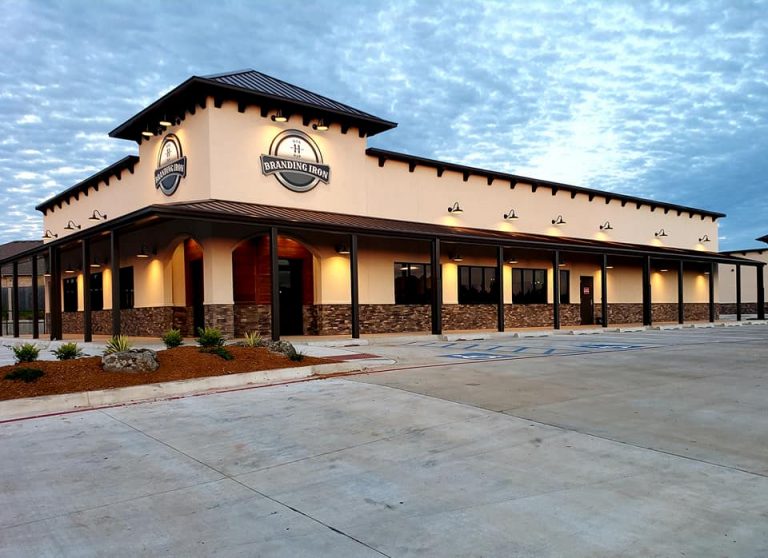
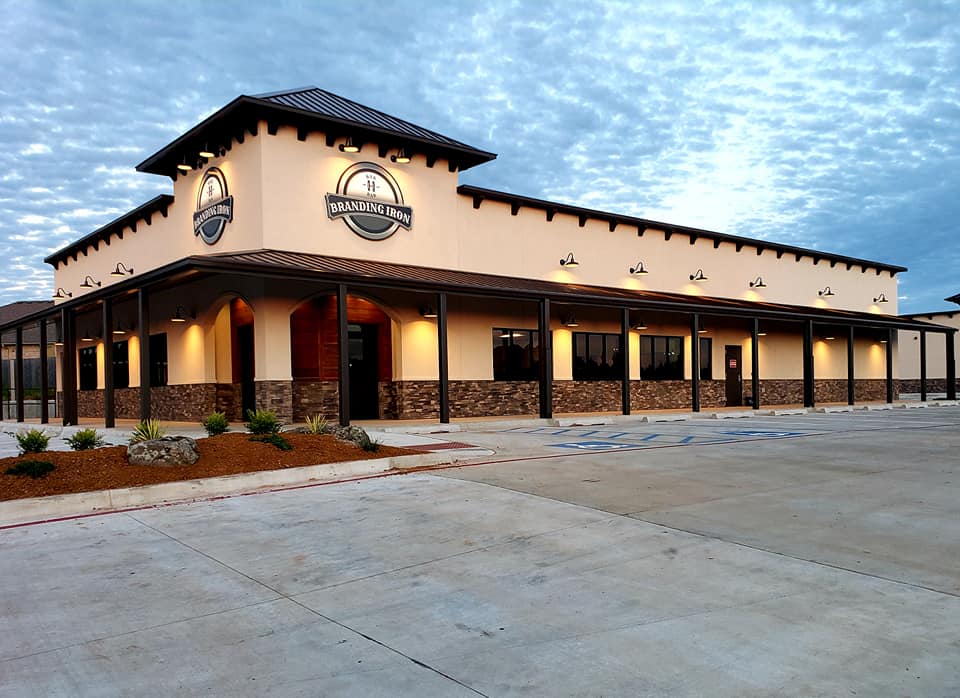
Branding Iron Steakhouse Safford promises an exceptional dining experience. This comprehensive guide delves into the brand’s identity, menu, location, marketing, and operations, providing a detailed roadmap for success.

From the ideal customer profile to the unique selling propositions, we explore the key elements that will position this steakhouse as a standout in the Safford culinary scene. The focus is on creating a memorable experience, from the ambiance and service to the sourcing of high-quality ingredients.

Brand Identity & Positioning

Branding Iron Steakhouse in Safford will position itself as a premium steakhouse experience, focusing on high-quality cuts, meticulous preparation, and a sophisticated atmosphere. The target demographic will be discerning diners seeking an exceptional dining experience.The brand will leverage the “branding iron” theme to establish a unique identity, emphasizing craftsmanship and quality. This will differentiate it from casual eateries and other steakhouses in the area by offering a more elevated and memorable experience.

Ideal Customer Profile

The ideal customer is a discerning diner in Safford who appreciates fine dining, high-quality ingredients, and an upscale ambiance. This could include professionals, affluent individuals, or couples seeking a special occasion or a regular treat. They value exceptional service and quality over price. This profile is further distinguished by their willingness to pay a premium for a superior dining experience.

Unique Selling Propositions (USPs)

The branding iron steakhouse will differentiate itself through several unique selling propositions:

  • Exceptional Quality: The steakhouse will source the finest cuts of beef from trusted suppliers, ensuring top-tier quality and flavor. This includes a focus on sustainable and ethically-sourced options.
  • Expert Preparation: The chefs will be trained in the art of steak preparation, mastering techniques to achieve the perfect sear and tenderness. This expertise will translate into a consistently exceptional dining experience.
  • Elevated Ambiance: The restaurant’s design and atmosphere will create a sophisticated and memorable environment, enhancing the overall dining experience.

Brand Personality and Tone of Voice

The brand personality should be sophisticated, trustworthy, and refined. The tone of voice will be professional, yet approachable, conveying a sense of expertise and attention to detail. The language used will be descriptive, highlighting the quality of ingredients and preparation methods.

Logo Concept

The logo will feature a stylized branding iron, evoking a sense of craftsmanship and quality. The design will incorporate a modern and refined aesthetic, such as a clean, minimalist shape, or a silhouette of a sizzling steak alongside the branding iron. The color palette should reflect a sophisticated and upscale feel. Consider using warm, earthy tones such as dark reds, deep browns, or charcoal greys, paired with metallic accents.

Tagline

A suitable tagline would be “Branding Iron Steakhouse: Crafted for Perfection.” This tagline conveys the brand’s commitment to quality and the meticulous process involved in creating an exceptional dining experience.

Branding Iron Theme Incorporation

  • Logo: The branding iron will be a prominent feature in the logo, serving as a visual representation of the brand’s commitment to quality and expertise.
  • Color Palette: Warm, earthy tones like deep browns, rich reds, and charcoal greys will create a sophisticated and upscale ambiance. Metallic accents will complement the branding iron theme, adding a touch of elegance.
  • Aesthetic: The overall aesthetic will be refined and upscale. The restaurant’s interior design will incorporate elements such as high-quality materials, comfortable seating, and carefully curated lighting to enhance the ambiance. The use of warm lighting and rich colors will contribute to a sophisticated and inviting atmosphere.

Brand Story

Branding Iron Steakhouse was founded on the belief that exceptional dining experiences are built on meticulous preparation and a passion for high-quality ingredients. The brand’s values center on sustainability, ethical sourcing, and expert craftsmanship. The mission is to provide a premium dining experience that elevates the steakhouse experience in Safford, making it a go-to destination for exceptional steak. The story will be conveyed through the restaurant’s design, menu, and service, emphasizing the quality and passion behind every dish.

Menu & Culinary Concepts

Crafting a compelling menu is crucial for a successful steakhouse. It must resonate with local tastes while offering a unique dining experience. This section details the key components of a robust menu, considering factors such as ingredient quality, seasonal variations, and the desired ambiance.

Steak Cuts & Preparations

A diverse selection of steak cuts, prepared in various styles, is essential. Local preferences and current culinary trends should be carefully considered. Options like ribeye, New York strip, filet mignon, and sirloin, offered in classic preparations (e.g., grilled, pan-seared), are foundational. Consider incorporating more adventurous cuts like hanger steak or flat iron steak to appeal to discerning palates.

Side Dishes & Appetizers

Side dishes and appetizers must complement the steak offerings without overshadowing them. Emphasis should be placed on fresh, high-quality ingredients. Locally sourced options like roasted root vegetables, seasonal salads, and creamed corn are always appreciated. A charcuterie board with local cheeses and cured meats is another popular and elegant option. For appetizers, consider a selection of small plates like grilled asparagus with balsamic glaze, or a creamy mushroom soup.

Unique Steakhouse Experience

The ambiance, service, and dining experience are integral to a unique steakhouse experience. The restaurant’s design should evoke a sense of luxury and sophistication, perhaps with warm lighting, high-quality linens, and attentive service. A well-trained and friendly staff can enhance the overall dining experience. Consider offering a curated wine list that complements the steak offerings, and a selection of premium cocktails.

Sourcing High-Quality Ingredients

High-quality ingredients are paramount. The reputation of a steakhouse is often tied to the quality of its meat. Establish relationships with local farms and butchers to source the freshest, highest-quality beef. This will ensure consistency and flavor in every dish. Prioritizing local and seasonal produce further enhances the dining experience and supports the community.

Seasonal Menu Variations

Seasonal menu variations allow for fresh, exciting dishes. Incorporating locally grown produce and ingredients into the menu changes allows for creative options throughout the year. For example, spring might feature asparagus and spring vegetables, while fall could showcase root vegetables and pumpkin dishes. This not only enhances the menu but also reflects the season’s bounty and freshness.

Sample Menu

Appetizers Main Courses Side Dishes
  • Grilled Asparagus with Balsamic Glaze
  • Creamy Mushroom Soup
  • Charcuterie Board (local cheeses & meats)
  • Ribeye Steak (Grilled)
  • New York Strip Steak (Pan-Seared)
  • Filet Mignon (Grilled)
  • Roasted Root Vegetables
  • Seasonal Salad
  • Creamed Corn

Location & Atmosphere

Safford’s burgeoning culinary scene presents a unique opportunity for a high-quality steakhouse. Understanding the local demographics and competitive landscape is crucial for success. Careful consideration of the desired atmosphere and ambiance will attract the target customer base and set the restaurant apart from the competition.A strategic location is paramount for attracting customers and ensuring profitability. The ideal location should be easily accessible, preferably near high-traffic areas or within established commercial districts, offering ample parking and visibility.

A prime location will also position the steakhouse to capitalize on foot traffic and draw in patrons from neighboring businesses and residential areas.

Ideal Location

Safford’s demographics suggest a mix of professionals, families, and tourists, each with varying dining preferences. A location near the Safford city center, or a growing business district, will maximize exposure to this diverse customer base. Proximity to hotels and tourist attractions is also beneficial for attracting visitors. Analyzing existing competitors in the area will reveal opportunities for differentiation.

A location that minimizes direct competition while offering ample visibility and access is ideal.

Interior Design and Ambiance

The branding iron theme should be prominently featured in the restaurant’s interior design. Think rich, dark wood accents, warm lighting, and strategically placed branding iron artwork. Leather seating, exposed brick accents, or a modern industrial aesthetic can be incorporated to create a sophisticated and inviting space. The overall ambiance should be warm, welcoming, and refined, without feeling overly stuffy.

Outdoor Seating Options (if applicable)

If space allows, outdoor seating can significantly enhance the customer experience, especially during pleasant weather. A covered patio or outdoor dining area, with comfortable seating and appropriate lighting, will increase the appeal of the restaurant. The ambiance should extend to the outdoor area, maintaining the brand’s identity. Consider factors like weather protection and privacy when designing outdoor seating.

Creating a Welcoming Atmosphere

Staff training on exceptional customer service is essential. A warm greeting, prompt service, and attentive waitstaff will create a welcoming and inviting atmosphere. The overall tone and demeanor of the staff should reflect the restaurant’s brand and values. Maintaining a clean and well-maintained environment will also contribute to a positive customer experience.

Memorable Dining Experience

Beyond excellent service, consider unique elements to create memorable dining experiences. Live music, a curated wine list, or themed nights can set the restaurant apart. Personalized recommendations for both food and drinks, based on customer preferences, can enhance the overall dining experience. Consider offering exclusive dining packages or special events to provide an additional layer of memorability.

Restaurant Floorplan

Area Description Dimensions (approximate)
Entrance/Reception Welcoming area with seating for waiting patrons, and staff station. 10′ x 15′
Dining Room Main dining area with tables of varying sizes, allowing for different party sizes. 25′ x 40′
Kitchen Efficient kitchen layout with ample prep space and storage. 20′ x 25′
Bar Area Dedicated bar area with seating for drinks and appetizers. 15′ x 20′
Restrooms Clean and modern restroom facilities. 5′ x 8′ each
Outdoor Patio (optional) Covered outdoor seating area. 20′ x 30′

Marketing & Sales Strategies

branding-iron-steakhouse-2 – Midwest Commercial, LLC.

Attracting customers to a new steakhouse in Safford requires a multi-faceted approach that blends traditional and modern marketing techniques. This strategy focuses on reaching the target demographic effectively, leveraging the power of digital marketing, and implementing enticing promotions to drive customer acquisition and loyalty.A robust marketing strategy is crucial for establishing a strong brand presence and generating significant revenue.

This includes identifying the optimal channels to reach the target audience, implementing a comprehensive online presence, and fostering engagement through social media. Furthermore, creating special offers and a customer loyalty program can encourage repeat business and build brand advocacy.

Marketing Channels for Reaching the Target Audience in Safford

Effective marketing requires understanding the local community. Targeting residents and tourists in Safford will be key. Local partnerships with businesses, community events, and sponsorships are vital to building brand awareness and goodwill. Consider distributing flyers and brochures in high-traffic areas, such as local businesses and community centers. Participating in local farmers’ markets and craft fairs offers an opportunity for direct engagement with potential customers.

Importance of Online Presence and Digital Marketing Strategies

A strong online presence is essential for modern businesses. A user-friendly website is crucial for showcasing the restaurant’s menu, ambiance, and booking options. This website should include high-quality images and compelling descriptions. Search engine optimization () techniques can improve the website’s visibility in online searches. Social media platforms like Facebook, Instagram, and possibly TikTok are effective tools for promoting the steakhouse, showcasing the culinary experience, and engaging with potential customers.

Benefits of Social Media Marketing for Brand Promotion

Social media provides a platform for interactive engagement with potential customers. Real-time updates about events, special offers, and behind-the-scenes glimpses of the kitchen can cultivate a sense of community. Visual content, such as high-quality images and videos of the food, ambiance, and staff, is particularly impactful. Running contests and giveaways can increase engagement and attract new followers.

Ideas for Special Offers and Promotions to Attract Customers

Attracting new customers requires innovative offers. Consider a “Grand Opening Special” with discounts or complimentary appetizers for the first 100 customers. Weeknight specials, such as discounted entrees or happy hour deals, can entice customers to dine outside of peak hours. Partnerships with local businesses could provide bundled offers, such as a meal deal with a nearby hotel or attraction.

Promotional offers like “buy one get one” or “birthday specials” can increase customer frequency.

Building a Loyalty Program to Retain Customers

A loyalty program incentivizes repeat business and builds customer loyalty. Implement a points-based system where customers earn points for every dollar spent. These points can be redeemed for discounts, free meals, or other exclusive perks. Regular email newsletters, personalized recommendations, and exclusive access to events can reinforce customer relationships.

Comprehensive Digital Marketing Strategy

Marketing Channel Target Audience Specific Tactics Metrics for Success
Website Potential customers, online diners optimization, user-friendly design, online ordering Website traffic, conversion rates, online order volume
Social Media (Facebook, Instagram, etc.) Local community, food enthusiasts High-quality images/videos, contests, engagement posts, targeted ads Follower growth, engagement rates, reach of posts, website traffic
Local Partnerships Local residents, businesses Sponsorships, collaborations, community events Increased brand visibility, positive local sentiment, new customer acquisition
Email Marketing Existing customers, potential customers Promotional emails, newsletters, loyalty program updates Open rates, click-through rates, email sign-ups

Operations & Management

Effective restaurant operations are critical for success. A well-oiled machine ensures consistent quality, efficient service, and ultimately, a profitable venture. This section Artikels key aspects of operational excellence, staff management, cost control, customer service, and complaint resolution at Iron Steakhouse.Operational efficiency is paramount in the restaurant industry. Streamlined processes, from order taking to food preparation and table turnover, minimize wait times, improve customer satisfaction, and maximize profitability.

Robust inventory management, coupled with precise order fulfillment, prevents waste and ensures customer satisfaction.

Efficient Restaurant Operations

Smooth restaurant operations hinge on several critical elements. Standardized procedures for all tasks, from greeting guests to clearing tables, reduce errors and maintain a consistent level of service. This consistency is key to building a reputation for quality. Well-defined protocols for handling customer orders, ensuring accuracy and speed, are vital. An efficient kitchen layout and workflow minimize food preparation times.

A clear understanding of staff roles and responsibilities helps avoid confusion and ensures seamless coordination.

Staff Management Strategies

Effective staff management is essential for a successful restaurant. Clear communication channels and well-defined job descriptions minimize misunderstandings. Regular staff training programs, focusing on customer service protocols and product knowledge, enhance performance and maintain standards. Incentivize staff to improve performance and foster a positive work environment. Recognition for good work is essential.

Performance evaluations are essential to identify areas for improvement and reward top performers. A positive and supportive atmosphere reduces staff turnover, improving service consistency.

Cost Control and Profitability

Cost control is crucial for restaurant profitability. Track and analyze all expenses, identifying areas for potential savings. Implement strategies for inventory control to reduce food waste. Optimize purchasing strategies by identifying cost-effective suppliers. Control labor costs by optimizing staffing levels for different service periods.

Promote cost-effective menu choices. Analyze sales data to identify high-performing dishes and optimize portion sizes to manage cost-per-meal.

Customer Service and Feedback Mechanisms

Exceptional customer service is the cornerstone of a successful restaurant. Train staff to anticipate customer needs and provide prompt, friendly service. Encourage staff to engage in active listening and address customer concerns effectively. Implement a system for collecting customer feedback, such as comment cards or online surveys. Act upon feedback to improve service and address any issues promptly.

Handling Customer Complaints

Handling customer complaints professionally is critical for maintaining a positive reputation. Listen attentively to the customer’s concerns without interrupting. Acknowledge the complaint and apologize for any inconvenience. Attempt to resolve the issue quickly and fairly. If the issue cannot be resolved immediately, provide a clear timeframe for follow-up and a solution.

Document all complaints and their resolutions for future reference. Learning from mistakes helps prevent similar issues.

Organizational Chart

Position Reports To Responsibilities
General Manager (None) Overall management of the restaurant, including financial performance, staff management, and customer satisfaction.
Assistant Manager General Manager Assists the General Manager in daily operations, staff management, and customer service.
Head Chef Assistant Manager Responsible for the quality and consistency of food preparation, menu development, and kitchen operations.
Head Server Assistant Manager Supervises servers, ensuring efficient service and high standards of customer interaction.
Servers Head Server Provide excellent customer service, take orders, deliver food and drinks, and manage table turnover.
Kitchen Staff Head Chef Prepare and cook food according to recipes and standards, maintain kitchen cleanliness and organization.

Visuals & Storytelling

Crafting a compelling brand identity for a steakhouse hinges significantly on how its story is told visually. High-quality imagery and video capture the essence of the dining experience, while evocative descriptions create an emotional connection with potential customers. Effective visuals and storytelling translate into stronger brand recognition and increased customer engagement.

Compelling Food & Dining Experience Descriptions

To effectively market the steakhouse, detailed descriptions of the food and dining experience are crucial. These descriptions should focus on the quality of ingredients, the preparation methods, and the overall atmosphere. Highlighting unique aspects, such as locally sourced ingredients or innovative cooking techniques, will further enhance the narrative. For instance, a description might emphasize the “perfectly seared, USDA Prime ribeye,” cooked to order with a “charred crust and juicy interior,” accompanied by a “robust, house-made chimichurri sauce.” This paints a vivid picture in the customer’s mind, showcasing the quality and care that goes into each dish.

Social Media Post Examples

Social media posts are vital for engaging potential customers and building anticipation. These posts should use visually appealing images and short, impactful captions.

  • Example 1: A captivating photo of a perfectly grilled steak, glistening with natural juices, could be paired with a caption like, “Experience the ultimate steakhouse experience at Iron Steakhouse, Safford. Our USDA Prime cuts are prepared to perfection, guaranteeing a flavor explosion in every bite.” This post would be accompanied by a call to action, encouraging followers to visit the restaurant’s website or make a reservation.

  • Example 2: A video showcasing the bustling atmosphere of the restaurant, combined with mouthwatering close-ups of various dishes, can be highly effective. The video could feature snippets of customers enjoying their meals, creating a sense of community and excitement. A caption could read, “The vibrant energy of Iron Steakhouse awaits! Come experience the perfect blend of delicious food and a lively atmosphere.” This video would ideally be accompanied by the restaurant’s location and contact information.

  • Example 3: A post highlighting a special promotion or event, such as a “Chef’s Night” or a limited-time offer, can generate immediate interest. A captivating image of the featured dish, coupled with a brief description of the promotion, is essential. The caption should clearly communicate the offer and its duration. For instance, “Celebrate Father’s Day at Iron Steakhouse! Enjoy 20% off all steaks on June 18th.

    Book your table today!”

Captivating Visual Content

Visuals are paramount in attracting attention and conveying the brand’s essence.

  • High-Quality Photography: Professional, high-resolution images of the food, ambiance, and staff are essential. The images should evoke a sense of elegance, quality, and sophistication. Focus on lighting and composition to create visually stunning images.
  • Enticing Videography: Videos, whether short clips or longer testimonials, can bring the restaurant to life. Consider showcasing the cooking process, staff interaction, and customer testimonials. These videos can be used on social media platforms, websites, and even in promotional emails.
  • Ambiance: Images and videos should capture the overall atmosphere of the restaurant, including the interior design, lighting, and music. This will help potential customers visualize the experience and feel a connection to the brand.

Restaurant Webpage Information

A dedicated webpage provides detailed information about the restaurant.

“A well-designed webpage with high-quality imagery and concise descriptions can serve as a virtual storefront.”

Section Content
Restaurant Overview Brief history, mission statement, and unique selling propositions (USPs).
Menu High-quality images of dishes, descriptions, and pricing.
Location & Hours Interactive map, directions, and operating hours.
Reservations Online booking system or contact information for reservations.
Testimonials Customer reviews and testimonials.

High-Quality Imagery and Videography

High-quality imagery and videography are critical for effective communication. These visuals should convey the quality and craftsmanship of the food, the elegance of the atmosphere, and the passion of the staff.

“High-resolution images and smooth, well-lit videos create a lasting impression, reflecting the restaurant’s commitment to excellence.”

Telling a Brand Story with Visuals

Visual elements should reinforce the brand’s story and values. For instance, the color palette, lighting, and design elements should align with the overall brand identity. Images and videos should evoke a sense of elegance, quality, and sophistication, reflecting the brand’s commitment to excellence.

Last Point

In conclusion, Branding Iron Steakhouse Safford has the potential to become a beloved local establishment. By meticulously crafting a brand identity, menu, and ambiance, the restaurant can cater to the specific needs and preferences of the Safford community, establishing a loyal customer base and a thriving business.

Detailed FAQs

What is the target demographic for this steakhouse?

The target demographic encompasses both locals and tourists seeking a high-quality steakhouse experience in Safford. The ideal customer profile is a discerning diner who appreciates high-quality ingredients and a sophisticated atmosphere, but isn’t afraid to have a casual experience.

What are some specific strategies for cost control?

Strategies for cost control include negotiating favorable pricing with suppliers, implementing efficient inventory management systems, and minimizing food waste. Careful consideration of portion sizes and menu pricing is also crucial.

What is the anticipated opening date for the steakhouse?

No specific opening date is mentioned in the provided Artikel.

What types of online marketing will be utilized?

The marketing strategy will encompass a comprehensive digital approach, including a user-friendly website, engaging social media presence, and targeted online advertising. Local partnerships and community engagement will also be vital.