April 18, 2026

custom branding

branding iron in harrisonville sets the stage for this enthralling narrative, offering readers a glimpse into a story that is rich in detail and brimming with originality from the outset.

Branding irons have a long history, serving as essential tools across various industries for marking ownership, quality, and craftsmanship. In Harrisonville, the tradition continues with local vendors offering a range of branding iron options, from custom designs to electric models. This exploration dives into the significance of branding irons, their applications, and the unique opportunities available in this vibrant community.

Overview of Branding Irons

Branding irons are tools used to imprint a distinctive mark onto an object, typically made of metal. Their primary uses range from marking livestock to personalizing items such as wood, leather, and various other materials. The practice of branding has deep historical roots, reflecting ownership and craftsmanship, and continues to be relevant in various industries today. Branding has been significant across multiple sectors, primarily in agriculture, where it serves as a method for identifying livestock, ensuring that animals can be traced back to their owners.

This practice dates back to ancient civilizations, demonstrating its long-standing importance in trade and property rights. Besides agriculture, branding irons are widely used in woodworking and leathercraft, where artisans mark their creations for authenticity and as a hallmark of quality.

Materials Used for Branding Irons

Branding irons can be made from various materials, each with its unique properties that influence the branding process. The choice of material affects the durability, heat retention, and overall effectiveness of the branding tool. Key materials commonly used include:

  • Steel: Most branding irons are crafted from steel due to its high resistance to deformation and excellent heat conductivity. Steel branding irons can withstand high temperatures, making them ideal for consistent and deep imprints.
  • Brass: Brass is less common but is sometimes used in branding irons for specific applications, such as marking softer materials. Its resistance to corrosion can be beneficial in certain environments.
  • Aluminum: Lightweight and easy to handle, aluminum branding irons are often used for temporary applications. While they may not provide the depth of a steel brand, they can be effective for softer materials.
  • Custom Alloys: Some manufacturers develop proprietary alloys specifically designed for their branding irons, combining the benefits of various metals to achieve optimal performance.

These materials not only determine the effectiveness of the branding iron but also play a crucial role in the longevity and reliability of the tool. Each material has specific applications, ensuring that branding irons can meet the diverse needs of different industries effectively.

Branding Iron Options in Harrisonville

Harrisonville offers a variety of branding iron options for those looking to personalize their livestock or create unique products. Whether you’re a small farm owner or a business seeking custom branding, you can find several local vendors ready to meet your needs. In this section, we will delve into the available options and features that local branding iron services provide, along with comparisons to help you make an informed choice.

Local Vendors Providing Branding Irons

Harrisonville is home to several vendors specializing in branding irons. Here are the notable ones:

  • Harrisonville Custom Branding: Known for their high-quality custom branding irons tailored to specific designs and logos.
  • Iron Branding Co: Offers a range of electric and traditional branding irons, along with accessories for branding needs.
  • Local Blacksmiths: Often provide traditional hand-forged branding options, emphasizing craftsmanship and authenticity.

Types of Branding Irons Available Locally

When considering branding irons, it’s essential to understand the types available and their uses. The main categories include custom, electric, and traditional branding irons. Each type has its unique features:

  • Custom Branding Irons: These are personalized with specific logos or designs, making them ideal for businesses wanting to create a unique brand identity.
  • Electric Branding Irons: Providing consistent heat and quick branding, electric irons are perfect for higher volume branding needs.
  • Traditional Branding Irons: Hand-forged from metal, these irons offer a classic method of branding, often favored for their aesthetic and authenticity.

Comparison of Features and Prices

To assist in making a choice, the following table compares features and prices for branding irons available from local sources in Harrisonville:

Vendor Type Features Price Range
Harrisonville Custom Branding Custom Personalized designs, various sizes $75 – $150
Iron Branding Co Electric Fast heating, adjustable temperature $100 – $200
Local Blacksmiths Traditional Hand-forged, unique designs $50 – $120

Choosing the right branding iron depends on your specific needs, whether for personal or business use.

Custom Branding Irons

In the world of branding, custom branding irons stand out as a powerful tool for businesses looking to establish a unique identity. These tools allow companies to imprint their logos, designs, or special messages onto products, enhancing their brand visibility and fostering customer loyalty. This section delves into the process of designing custom branding irons, the benefits they provide to businesses in Harrisonville, and showcases successful branding strategies that have effectively utilized these tools.

The process of designing custom branding irons is both creative and methodical. It begins with understanding the brand’s identity and the message it wishes to convey. Here’s a breakdown of the steps involved:

Designing Custom Branding Irons

1. Initial Consultation

Engage with a branding specialist to discuss your vision, desired imagery, and specific requirements for the branding iron.

2. Design Creation

A graphic designer will create digital mock-ups based on the initial consultation. This involves selecting fonts, symbols, and any graphical elements that resonate with the brand’s identity.

3. Prototype Development

Once the design is finalized, a prototype of the branding iron is created. This step is crucial for ensuring that the design is functional and visually appealing.

4. Testing and Refinement

The prototype is tested on different materials to check for the quality of the impression. Feedback is gathered, and necessary adjustments are made to optimize the design.

5. Final Production

After all adjustments are made, the final branding iron is produced, ready to make its mark on products.

The benefits of personalized branding using custom branding irons in Harrisonville are significant. Businesses can create a lasting impression on their customers, leading to increased brand recognition and customer loyalty. Here are some key advantages:

  • Enhanced Brand Identity: A custom branding iron allows businesses to consistently represent their brand across various products, reinforcing brand awareness.
  • Unique Marketing Tool: Businesses can differentiate themselves from competitors by utilizing unique branding elements that resonate with their target audience.
  • Quality Perception: Products branded with a custom iron often convey a sense of quality and craftsmanship, positively influencing customer perception.
  • Cost-Effective: Once the initial investment in a custom branding iron is made, the long-term use of the tool can lead to significant savings in production costs, especially for small batches.

Successful branding strategies that have effectively incorporated custom branding irons include various local businesses in Harrisonville. For instance, a local bakery that uses a custom branding iron to stamp its logo onto pastries not only enhances its visual appeal but also adds a personal touch that customers appreciate. Another example is a handcrafted furniture store that brands its pieces with a unique emblem, thereby elevating the perceived value of its products.

The application of custom branding irons transforms ordinary products into memorable experiences that customers associate with quality and authenticity.

By investing in custom branding irons, businesses in Harrisonville can cultivate a strong presence in their market and create enduring connections with their customers.

Applications of Branding Irons

Branding irons have established themselves as essential tools across various industries, combining tradition with modern innovation. Their versatility allows them to serve numerous purposes, from marking livestock in agriculture to personalizing products in crafts and business. As we delve into the applications of branding irons, it becomes clear that their usage extends far beyond simple identification.Branding irons find their place in a multitude of industries, each benefiting from their unique ability to create lasting impressions.

While traditionally associated with livestock branding, their reach now encompasses a wide range of innovative applications that enhance brand identity and product personalization.

Industries Utilizing Branding Irons

Branding irons are utilized in sectors ranging from agriculture to artisan crafts. Here’s a closer look at some key industries:

  • Agriculture: Farmers use branding irons to mark livestock, ensuring ownership and preventing theft.
  • Crafts and Artisans: Crafters employ branding irons to add a personal touch to handmade items, making them unique and memorable.
  • Business and Retail: Companies use branding irons to imprint logos or brand names on products, enhancing brand visibility.
  • Wine and Spirits: Distilleries and wineries use branding irons to label barrels and bottles, adding an elegant touch to their products.
  • Furniture Making: Woodworkers brand their pieces with their logos to signify craftsmanship and quality.

Innovative uses of branding irons are also emerging in various fields, demonstrating their adaptability and creative potential.

Creative Applications of Branding Irons

Branding irons can serve as more than just a means of identification; they can be employed in a variety of imaginative ways. Here are the top five creative applications:

  • Personalized Gifts: Custom branding irons can be used to personalize gifts like wooden boxes or leather goods, making them thoughtful treasures.
  • Event Favors: Couples often use branding irons to mark items for weddings or special events, providing guests with memorable keepsakes.
  • Artistic Expression: Artists incorporate branding irons into their work, creating unique patterns and designs on various surfaces.
  • Home Décor: Homeowners can use branding irons to add a rustic charm to furniture or home accessories, showcasing their style.
  • Corporate Branding: Businesses use branding irons to create a tactile experience with their packaging, setting their products apart on the shelf.

Incorporating branding irons into these diverse applications not only enhances functionality but also fosters creativity and individual expression.

Maintenance and Care of Branding Irons

Maintaining your branding irons is crucial for ensuring their longevity and effectiveness. Proper care can prevent rust, damage, and deterioration, allowing you to achieve consistently high-quality branding results. With a little routine maintenance, your branding tools can serve you well for years to come.

Cleaning Branding Irons

Regular cleaning is essential to maintain the quality of your branding irons. After each use, it’s important to remove any remaining residue to prevent buildup and corrosion. Focus on these steps for effective cleaning:

  • Allow the branding iron to cool down before cleaning.
  • Use a wire brush or scraper to remove any residual material from the branding surface.
  • Wipe the iron with a cloth soaked in warm soapy water to eliminate grease and dirt.
  • Rinse with clean water and dry thoroughly to prevent moisture from causing rust.

Preventing Rust and Damage

Rust can significantly affect the performance of branding irons, so it’s vital to take preventive measures. Consider the following tips:

  • Store branding irons in a dry place, away from moisture.
  • Apply a thin coat of oil (like machine oil or mineral oil) on the surface of the iron after cleaning to create a protective barrier.
  • Avoid using abrasive cleaners or scrubbing pads that can scratch the surface.
  • Keep branding irons away from corrosive chemicals and harsh environments.

Regular Maintenance Checklist

To ensure your branding irons remain in top condition, follow this maintenance checklist regularly:

  • Inspect branding irons for any signs of wear or damage.
  • Clean after each use to prevent buildup.
  • Lubricate with oil every month, or more frequently if used often.
  • Check for any loose parts and tighten them if necessary.
  • Store in a protective case or cover when not in use.

“A well-maintained branding iron is not just a tool; it’s an investment in quality craftsmanship.”

Workshops and Events in Harrisonville

In Harrisonville, workshops and events focused on branding techniques offer an excellent opportunity for both enthusiasts and professionals to enhance their skills. These gatherings not only provide hands-on experience with branding irons but also create a vibrant community of individuals passionate about branding. Engaging in these events can significantly elevate one’s understanding and application of branding techniques.Harrisonville frequently hosts a variety of workshops and events that cater to different skill levels, from beginners to advanced practitioners.

These occasions often focus on practical demonstrations, allowing participants to try their hand at using branding irons and experimenting with different techniques.

Local Workshops and Events

Several workshops and events are organized in Harrisonville that focus specifically on branding techniques. Here are some notable ones:

  • Harrisonville Branding Summit: An annual event that gathers branding experts from across the region to share insights and techniques, providing attendees with the opportunity to learn from the best.
  • Hands-On Branding Workshop: A quarterly workshop where participants can learn about the various applications of branding irons, from wood to leather, and practice under the guidance of experienced instructors.
  • Local Artisan Fair: This event often features demonstrations on branding techniques, allowing artisans to showcase their skills while providing attendees the chance to try branding for themselves.

Attending these events not only enriches your knowledge but also opens up avenues for networking with fellow enthusiasts and professionals in the field, fostering a sense of community and collaboration.

Networking Opportunities

Participating in branding-related events in Harrisonville can be beneficial for networking, as they bring together individuals with a shared interest in branding and craftsmanship. Building connections at these events can lead to collaborations, mentorship opportunities, and even potential business ventures.

“Networking at workshops and events can create lasting professional relationships that benefit all parties involved.”

By sharing experiences and insights, attendees can form a supportive network that encourages growth and innovation within the branding community. This environment allows participants to exchange ideas, discuss challenges, and celebrate successes, which can ultimately enhance their skills and broaden their horizons in the art of branding.

Customer Testimonials and Success Stories
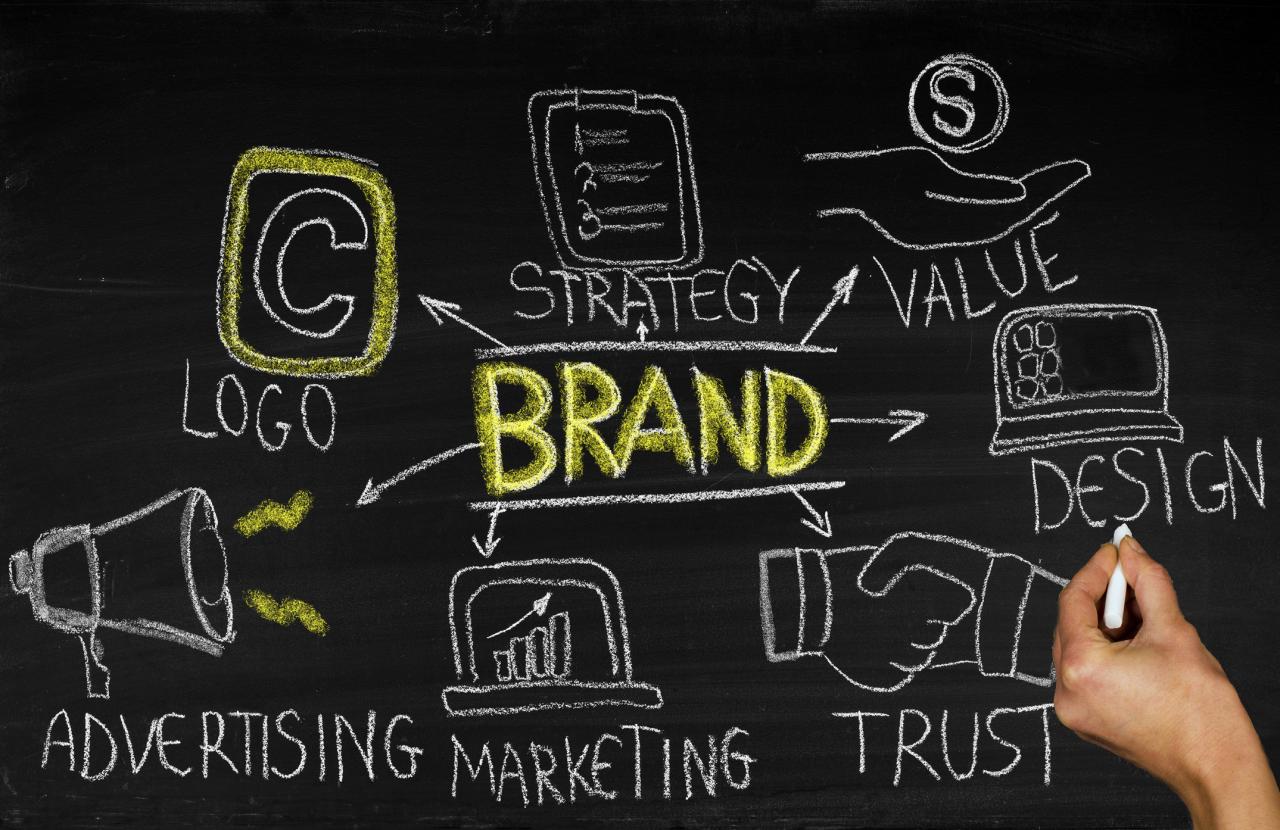
5 Reasons Your Branding Matters from Start to Org - The CRM Firm

The impact of branding irons on businesses in Harrisonville cannot be understated. From creating unique products to enhancing brand recognition, local customers have shared their positive experiences, showcasing the diverse applications of branding in various industries. This section highlights their testimonials and success stories, illustrating the transformative potential of effective branding practices.

Testimonials from Local Customers

Numerous customers who have utilized branding irons in Harrisonville have expressed their satisfaction with the results. Their feedback provides insights into how branding has improved their operations and customer engagement.

“Using a branding iron has significantly elevated our product line. Customers are drawn to our unique branding, and it has made a noticeable difference in sales.” – Lisa, Owner of a Local Artisan Shop

“The branding iron we purchased helped us create a cohesive look for our events. It’s a fantastic way to promote our brand and connect with the community.” – Tom, Event Coordinator

Local Business Case Studies

Several local businesses in Harrisonville have successfully implemented branding using branding irons, resulting in substantial growth and visibility.

1. The Rustic Rooster

A home décor store that introduced branded wood products. After incorporating branding irons, customer interest surged, leading to a 40% increase in sales over six months.

2. Harrisonville Brewing Co.

This microbrewery used branding irons to label their unique craft beers. The distinctive branding not only attracted more patrons but also earned them a local award for best packaging.

3. Harrisonville Farmers Market

Local vendors utilized branding irons to mark their products, which enhanced their market presence. A survey indicated that 75% of customers felt more inclined to purchase from vendors with visible branding.

Outcomes Linked to Effective Branding Practices

The positive outcomes from effective branding practices are evident in several areas:

Increased Recognition

Businesses report heightened visibility and recognition in their respective markets.

Customer Loyalty

Branded products tend to foster loyalty, as customers often feel a stronger connection to businesses that present a consistent and professional image.

Enhanced Marketing Opportunities

Using branding irons opens doors for unique marketing strategies, such as social media campaigns showcasing branded products.The success stories and testimonials from local businesses illustrate that branding irons not only enhance products but also contribute to overall business growth. By investing in branding, Harrisonville businesses are creating memorable experiences and solidifying their place in the market.

Future Trends in Branding

As the branding industry continues to evolve, staying ahead of trends is crucial for businesses and artisans in Harrisonville who utilize branding irons. Emerging technologies and changing consumer expectations are significantly influencing the design and functionality of branding tools. Understanding these trends will be essential for those looking to innovate and adapt in this dynamic market.The future of branding is set to incorporate advanced technologies and creative design strategies that align closely with consumer preferences.

One of the main trends is the increasing demand for personalization. Customers are seeking unique, customized branding solutions that reflect their individual identities, which will lead to a surge in demand for bespoke branding irons. Additionally, the integration of technology in branding practices is transforming how branding irons are designed and utilized.

Emerging Technologies in Branding

The impact of technology on branding practices is profound, with several innovations shaping how branding irons are developed and used. Key technologies influencing branding include:

  • Laser Engraving: This technology allows for precise and intricate designs on various materials, making it easier to create detailed branding irons that can accommodate complex logos and designs.
  • 3D Printing: The rise of 3D printing technology enables the production of customized branding irons quickly and efficiently, reducing lead times and costs associated with traditional manufacturing methods.
  • Smart Branding Tools: Innovations in smart technology, such as temperature control and digital displays, are improving the user experience and ensuring consistent branding quality.

As branding professionals in Harrisonville explore these technologies, the focus will shift toward tools that not only fulfill their practical purpose but also enhance creativity and personalization.

Predictions for the Branding Industry in Harrisonville

Looking ahead, the branding industry in Harrisonville is expected to experience significant growth driven by emerging trends. Various factors will influence this growth over the next decade, including:

  • Sustainability: With increasing awareness of environmental issues, there will be a demand for eco-friendly branding materials and techniques, leading to innovations in sustainable branding iron production.
  • Digital Integration: The rise of e-commerce and digital branding will prompt more businesses to invest in branding irons that can easily create brand identity across multiple platforms.
  • Collaborative Design: Platforms that allow customers to actively participate in the design process of their branding irons will become more prevalent, fostering a deeper connection between brands and consumers.

These predictions indicate a vibrant future for the branding industry in Harrisonville, where creativity, sustainability, and technology intersect to create new opportunities for artisans and businesses alike. As the landscape changes, those who embrace these trends will find themselves well-positioned to thrive in the competitive branding market.

Last Recap

In conclusion, the journey through branding iron in Harrisonville reveals not just an age-old practice, but a thriving element of local culture and business. As we’ve seen, the options for branding, whether through custom designs or innovative applications, are plentiful. Engaging with the community through workshops and success stories further highlights the significance of branding in enhancing identity and value.

FAQ Corner

What are branding irons typically made of?

Branding irons are commonly made from materials like steel, brass, and aluminum, chosen for their durability and heat retention.

How do I choose the right branding iron for my business?

Consider factors such as the material, type of branding (custom vs. standard), and the specific application needs of your business.

Are there workshops available for learning about branding irons?

Yes, Harrisonville hosts various workshops focused on branding techniques, providing hands-on experience with branding tools.

How can I maintain my branding iron?

Regular cleaning, drying after use, and applying a light oil can help prevent rust and ensure longevity.

What industries commonly use branding irons?

Branding irons are widely used in agriculture, crafts, livestock management, and various business applications for marking and identification.

Embark on a journey to discover the ideal custom branding iron for your woodworking projects. From intricate designs to simple markings, this guide provides a comprehensive overview of the essential considerations, ensuring you achieve the perfect branding results on your cherished wooden creations.

This exploration delves into the critical factors that influence your selection process, offering insights into various types, materials, and maintenance practices. We’ll also compare branding irons to other marking methods to help you make an informed decision.

Introduction to Branding Irons for Wood

Custom branding irons are essential tools in woodworking, enabling artisans to create unique and personalized designs on wood surfaces. They are highly versatile, capable of adding intricate patterns, logos, or monograms to furniture, decorative items, and even functional objects. The process of branding wood involves heating the iron to a high temperature and pressing it onto the wood, leaving a distinct mark.High-quality branding irons are crucial for achieving clean, sharp, and lasting impressions.

Lower-quality irons may result in uneven or distorted markings, compromising the aesthetic appeal of the final product. The precise temperature control and even heat distribution of a well-crafted branding iron directly impact the quality of the finished design. Factors such as the iron’s material, construction, and handle design significantly affect its usability and longevity.

Types of Branding Irons

Branding irons come in a variety of designs and materials, each tailored for specific applications and aesthetic preferences. The choice of material and design significantly influences the type of mark and its durability. This diversity allows woodworkers to select the most suitable tool for their specific projects.

  • Material-Based Classification: Branding irons are frequently categorized by the material they are constructed from. This differentiation directly relates to their heat retention, durability, and overall performance. Common materials include steel, carbon steel, and stainless steel, each with unique characteristics affecting the branding process.
  • Design-Based Classification: The design of the branding iron directly impacts the type of mark it creates. Some irons feature intricate patterns or designs, while others are simpler, allowing for a wide range of artistic expression. The design’s shape and size influence the precision and detail achievable during the branding process. Examples include plain rectangular designs for simple branding, or irons shaped like stylized letters or logos for intricate designs.

    The choice of design is directly tied to the intended aesthetic and functionality of the branded piece.

Branding Iron Material Comparison

The material of a branding iron significantly affects its performance. Different materials offer varying levels of heat retention, durability, and ease of use.

Material Heat Retention Durability Cost
Steel Good Moderate Moderate
Carbon Steel Excellent High Moderate to High
Stainless Steel Fair High High

Note: The cost of branding irons can vary based on the brand, quality, and features.

The table highlights the key differences in performance characteristics between various materials. Understanding these distinctions allows woodworkers to select the best branding iron for their specific needs.

Choosing the Right Branding Iron

Selecting the ideal custom branding iron for your woodworking projects hinges on careful consideration of several key factors. Understanding these elements ensures the iron effectively creates the desired aesthetic without damaging the wood or the tool itself. Proper selection guarantees a satisfying experience, allowing you to produce high-quality, consistent results.Careful consideration of the branding iron’s features, such as heat retention, handle design, and durability, will translate to a longer lifespan and more reliable results in your wood crafting.

This section details the critical attributes to consider for achieving optimal branding outcomes.

Heat Retention

The ability of a branding iron to retain heat significantly impacts its performance. A high heat retention rate allows for consistent branding across multiple pieces, while a low retention rate may necessitate frequent reheating, leading to potential inconsistencies and delays in your workflow. Consider the material used in the iron’s construction, as different materials exhibit varying heat retention capacities.

For example, high-quality steel alloys are known for superior heat retention compared to cheaper alternatives.

Handle Design and Durability

Ergonomic handle design is paramount for comfortable and safe use during prolonged sessions. A well-designed handle should provide a secure grip, reducing the risk of slippage and burns. The material used for the handle significantly influences its comfort and durability. Wood handles often provide a good balance of grip and comfort, while metal handles might offer better durability, especially in high-temperature environments.

The handle’s design should accommodate a variety of grip styles, ensuring usability for different users.

Size and Shape

The size and shape of the branding iron are critical for achieving the desired aesthetic on your wood. A smaller iron will be better suited for intricate designs and smaller wood pieces, while a larger iron will be more appropriate for larger projects and bolder designs. The shape of the tip is also crucial; a pointed tip will produce a different result compared to a flat or rounded one.

Carefully consider the desired aesthetic before selecting the iron’s size and shape.

Tip Design

The tip design of the branding iron directly impacts the resulting branding effect. A pointed tip creates clean, sharp lines, perfect for intricate designs. A flat tip is better suited for larger, bolder marks. Rounded tips offer a more diffused and less defined branding effect. The choice of tip design depends on the specific aesthetic you aim for in your wood projects.

Material Considerations

Different handle materials offer varying degrees of comfort and durability. Wood handles are known for their comfortable grip, while metal handles tend to be more durable and resistant to wear. The material choice should align with your anticipated use and the environment in which you will be working.

Branding Iron Sizes and Uses

Size Appropriate Use
Small (1/2 inch) Intricate designs, small wood pieces, logos, signatures
Medium (1 inch) Moderate-sized designs, logos, initials
Large (2 inches) Large designs, bold marks, branding for larger wood pieces

Branding Iron Maintenance and Safety

Proper maintenance and safe handling are crucial for extending the lifespan of your branding iron and preventing potential hazards. Following these procedures ensures both the longevity of the tool and the safety of the user during operation. Neglecting these practices can lead to reduced effectiveness, increased risk of injury, and potentially damage to the branding iron itself.Maintaining a branding iron involves a meticulous process of cleaning, storage, and inspection to preserve its integrity and efficiency.

Safe handling protocols are designed to minimize the risk of burns, mishaps, and accidents during operation. Understanding potential hazards and implementing preventative measures is paramount to responsible use.

Proper Maintenance Procedures

Maintaining a branding iron is vital for prolonging its usability and ensuring safe operation. Regular cleaning and inspection are key steps in maintaining its effectiveness. The process involves removing any residual material, such as burnt wood or metal particles, from the branding iron’s surface. This prevents buildup that can impede heat transfer and shorten the iron’s lifespan.

Thoroughly cleaning the branding iron before each use is a vital step.

Safe Handling and Storage Procedures

Proper handling and storage are essential for preventing accidents and maintaining the integrity of the branding iron. Handling the iron with appropriate care is critical to avoid burns. Use insulated handling tools or gloves for protection. Storage should be in a secure location, away from flammable materials and other potential hazards. A designated storage area will ensure safekeeping and protect the tool from damage.

Potential Hazards and Precautions

Using branding irons involves inherent risks. These risks include burns from direct contact with the heated iron, fire hazards if precautions are not taken, and potential injuries if the iron is dropped or handled improperly. Proper handling and safety measures are necessary to mitigate these risks. Understanding the potential hazards and taking appropriate precautions can prevent accidents.

Step-by-Step Procedure for Safe Heating and Use

This procedure Artikels the steps for safely heating and using a branding iron.

  1. Inspect the branding iron for any damage or defects. Any cracks, chips, or loose components should be addressed before use.
  2. Ensure the work area is clear of flammable materials, such as paper, wood scraps, and solvents. A designated, non-flammable surface is recommended for branding.
  3. Use appropriate heat-resistant gloves or tools to handle the branding iron. Never touch the heated surface directly.
  4. Heat the branding iron to the appropriate temperature, following the manufacturer’s instructions. Observe the heating process carefully and avoid overheating.
  5. Position the branding iron on the workpiece and apply the design. Maintain a safe distance from the hot surface.
  6. Once the branding is complete, allow the iron to cool down before handling.
  7. Store the iron in a safe, dry place, away from children and flammable materials. Use a heat-resistant container or rack for storage.

Safety Hazard Table

Potential Safety Hazard Preventive Measures
Burns from direct contact with the heated iron Use heat-resistant gloves or tools; avoid touching the heated surface directly.
Fire hazard from flammable materials Clear the work area of flammable materials; use a non-flammable surface.
Injury from dropped or mishandled iron Handle with care; use appropriate tools; store in a secure location.
Overheating of the iron Follow manufacturer’s instructions; monitor heating process; use appropriate temperature settings.
Improper use Thorough understanding of the operation process; seek professional advice when needed.

Branding Strategies for Wood

Crafting unique and impactful designs on wood using a branding iron requires careful consideration of various strategies. The choice of technique significantly affects the final aesthetic, from simple, straightforward marks to intricate, complex patterns. Understanding these strategies empowers woodworkers to achieve their desired visual impact.Effective branding strategies hinge on several key factors. Precise control over pressure and speed is paramount for achieving clean, crisp marks.

The type of wood and the desired effect will influence the choice of branding technique. Furthermore, understanding how different techniques translate to visual outcomes is essential.

Branding Techniques for Various Designs

Different branding techniques yield distinct visual effects. A simple, direct approach using a single branding tool produces a straightforward mark. More complex designs often require a combination of techniques and multiple branding irons.

Impact of Pressure and Speed

Maintaining consistent pressure and speed is critical for achieving clean, crisp branding. Excessive pressure can distort the design or damage the wood. Conversely, insufficient pressure might result in a faint or unclear mark. Speed, similarly, must be controlled. Varying the speed of the branding iron across the design allows for subtle tonal variations in the final product.

These nuances are key to achieving a refined aesthetic.

Creating Intricate and Complex Designs

Creating intricate or complex designs with branding irons necessitates careful planning and execution. A well-thought-out design template is essential. This template should guide the placement and orientation of the branding tool. It is useful to begin with simpler elements and gradually build up to more intricate designs. The ability to plan the design beforehand helps in producing a more refined result.

Example Branding Strategies and Visual Effects

Branding Strategy Visual Effect Description
Simple Single Mark Clean, crisp, single mark A single, straightforward impression, ideal for minimalist designs.
Multiple Sequential Marks Striped or patterned effect Repeated marks in a series create a visually engaging effect, such as stripes or patterns.
Combined Designs Intricate and detailed patterns Using multiple branding irons with different shapes or designs, combined and carefully planned, create intricate patterns and designs.
Use of varying pressure Gradation in tonal intensity Varying pressure during branding creates subtle tonal changes in the design. A light touch will create a less intense mark than a stronger pressure.
Combined Pressure and Speed Complex and detailed shading Varying pressure and speed during branding allows for the creation of complex shading and tonal variations in the design. The result can range from a subtle shading effect to a more prominent gradation.

Design Considerations for Branding

Effective branding on wood involves more than just a hot iron. Careful pre-planning is crucial for achieving a visually appealing and lasting mark. The design should complement the wood’s natural beauty and enhance its overall aesthetic.A well-considered design enhances the piece’s value and showcases the skill of the craftsman. Thoughtful placement and appropriate font choices contribute to a cohesive and memorable branding experience.

Adapting the design to the wood’s texture ensures the branding stands out without overwhelming the piece’s inherent character.

Importance of Pre-Planning

Thorough pre-planning of the design is essential for successful branding. A well-conceived design is more likely to achieve its intended aesthetic impact. This includes considering the wood’s grain, texture, and overall aesthetic, ensuring a harmonious blend. Visualizing the final product helps identify potential issues early in the process, saving time and materials.

Design Element Considerations

Careful selection of design elements is paramount. The choice of font significantly impacts the overall appearance. A classic serif font might convey sophistication, while a modern sans-serif font projects a contemporary feel. Imagery, when used, should complement the overall design and resonate with the intended message. Placement is equally important, ensuring the design’s prominence without obscuring the wood’s natural beauty.

Adapting Designs to Wood Types

Different wood types have varying textures and appearances. A design that works beautifully on smooth, polished cherry might not translate well to a rustic, knotty pine. Understanding these variations is key to achieving a balanced and harmonious result. The density of the wood will influence how deeply the branding can be impressed. Lighter woods often require a more delicate touch.

Examples of Well-Executed Branding

A simple, elegant script font applied to a smooth slab of maple, highlighting the wood’s natural beauty. A bolder, more abstract design etched into the knotty texture of reclaimed oak, showcasing the wood’s character. These examples illustrate how thoughtful design choices can enhance the aesthetic appeal of the wood and create a lasting impression.

Table of Design Examples for Different Wood Types

Wood Type Branding Style Design Example
Smooth Maple Elegant Script A delicate, cursive script featuring a monogram or initial.
Knotty Pine Rustic Pattern A stylized, nature-inspired pattern incorporating elements of the wood’s knots and grain.
Reclaimed Oak Bold Abstract Geometric shapes or abstract patterns etched into the wood’s character.
Walnut Minimalist Monogram A clean, simple monogram or initial in a bold, sans-serif font.

Branding Iron Brands and Reviews

Choosing the right branding iron for your woodworking projects requires careful consideration of various factors, including brand reputation, features, and user feedback. This section delves into reputable brands and provides in-depth reviews of popular models, helping you make an informed decision.Understanding the strengths and weaknesses of different branding irons is crucial for achieving professional-looking results. A well-chosen branding iron will enhance the aesthetic appeal of your wood projects, while a poorly-suited one could lead to uneven or unsatisfactory branding.

Reputable Branding Iron Brands

Several manufacturers are known for producing high-quality branding irons. These brands often prioritize durability, consistent heat distribution, and user-friendliness. Their products are frequently praised for their ability to create clear and lasting impressions on wood.

Popular Branding Iron Reviews

Thorough examination of popular branding irons, including their strengths and weaknesses, can greatly assist in the decision-making process. This review provides insights into the performance of various models, considering critical aspects like heat retention, design, and overall user experience.

Brand Comparison Table

The following table provides a concise overview of key features and pricing for popular branding iron brands. This comparative analysis facilitates a quick assessment of the available options.

Brand Key Features Pricing (USD) Customer Feedback
Brand A High heat retention, ergonomic handle, durable construction. $45 – $65 Positive feedback on heat control and consistent results. Some users report minor handle slippage.
Brand B Adjustable temperature control, various interchangeable dies, lightweight design. $70 – $90 Excellent reviews for versatility and precise control. Some users find the interchangeable dies to be a bit fiddly.
Brand C Powerful heating element, long lifespan, robust build. $85 – $110 High praise for durability and longevity. Some users feel the handle could be more comfortable.

Importance of Customer Reviews

Customer reviews and feedback are invaluable resources when selecting a branding iron. Reading these reviews allows for a deeper understanding of the practical experience users have had with the product, helping to anticipate potential issues or highlighting exceptional qualities.

Identifying Reliable Reviews

Distinguishing trustworthy reviews from potentially biased or inaccurate ones is crucial. Look for reviews that provide specific details about the branding iron’s performance, including details about the user’s experience, and provide a balanced perspective. Consider reviews that span a range of experiences, rather than just positive or negative ones. Avoid reviews that focus solely on the price or aesthetics without detailed performance feedback.

Authentic reviews will provide insights into how the branding iron performs under various conditions.

Branding Iron vs. Other Marking Methods

Choosing the right marking method for your wood projects is crucial for achieving the desired aesthetic and functionality. Beyond the aesthetic appeal, the method selected impacts the longevity and practicality of the finished product. Understanding the strengths and weaknesses of various techniques, including branding irons, is vital for informed decision-making.Different marking methods offer distinct advantages and disadvantages, impacting cost, time, and the final product’s characteristics.

Laser engraving, carving, and branding irons each present unique capabilities, influencing the overall project feasibility and the final product’s visual impact.

Comparison of Marking Methods

Understanding the nuances of each marking method is essential for selecting the optimal approach for a given project. A comprehensive comparison aids in recognizing the strengths and limitations of each technique.

  • Branding Irons: Branding irons offer a rustic, traditional aesthetic, suitable for projects requiring a bold, distinct mark. The process is relatively quick and cost-effective for simple designs. However, the design must be pre-determined, and the application process can be challenging for intricate designs.
  • Laser Engraving: Laser engraving allows for highly detailed and precise designs. The process is often automated and efficient, ideal for complex patterns and intricate designs. While precise, laser engraving can be more expensive than other methods, especially for larger projects. The quality of the engraving depends heavily on the laser machine and the skill of the operator.
  • Carving: Carving offers a deep, three-dimensional aesthetic that elevates the artistry of the project. The results are remarkably unique, but the process requires significant skill and time. This method is typically more labor-intensive and costly than other options, especially for detailed designs.

Cost-Effectiveness Analysis

The financial implications of each marking method should be carefully considered alongside aesthetic factors. A cost-benefit analysis can guide the decision-making process.

Marking Method Initial Cost Material Cost Labor Cost Time Required Scalability
Branding Irons Low Low Low Low High
Laser Engraving High Moderate Moderate Moderate High
Carving Low Low High High Low

The table provides a general overview of cost-effectiveness. Factors like the complexity of the design, the size of the project, and the experience of the artisan will influence the actual costs. Branding irons are typically the most cost-effective option for simpler designs, while laser engraving becomes more attractive for large-scale or intricate projects.

Choosing the Appropriate Marking Method

Careful consideration of the project’s requirements is vital in determining the most suitable marking method. The selection process should encompass aesthetic goals, production volume, and budget constraints.

  • Project Complexity: Simple designs are well-suited to branding irons. Intricate designs benefit from laser engraving or carving.
  • Production Volume: For high-volume projects, laser engraving or other automated methods are more efficient.
  • Budget Constraints: Branding irons offer a more economical approach, whereas laser engraving can be more costly.
  • Desired Aesthetic: The unique aesthetic of each method allows for projects with specific visual requirements.

Ending Remarks

In conclusion, choosing the best custom branding iron for wood involves careful consideration of various factors, including material, design, and maintenance. By understanding the nuances of each aspect, you can confidently select an iron that meets your specific needs and enhances your woodworking artistry. This guide equips you with the knowledge to achieve exceptional branding results and elevate your wood projects to the next level.

FAQ Guide

What are the common materials used in branding irons?

Common materials include steel, carbon steel, and stainless steel, each with varying heat retention and durability properties.

How do I select the right size and shape for my design?

Consider the scale and complexity of your design when choosing the appropriate size and shape of the branding iron. Smaller irons are ideal for intricate details, while larger ones are better suited for bolder designs.

What are the safety precautions when using a branding iron?

Always use heat-resistant gloves and eye protection. Ensure the work surface is stable and heat-resistant. Never leave the heated iron unattended.

What are the differences between branding and other marking methods like laser engraving?

Branding irons create a raised, textured mark, while laser engraving produces a precise, etched impression. The choice depends on the desired aesthetic and the complexity of the design.