April 18, 2026

digital marketing

Branding you salon is not just a trend; it’s a vital component of your business success. In a competitive landscape, how your salon is perceived can greatly influence customer loyalty and trust. A well-crafted brand identity can set you apart from competitors and create a memorable experience for your clients.

This guide delves into the essential elements of salon branding, from establishing a unique brand identity and understanding your target audience to enhancing your online presence and fostering customer loyalty. By effectively leveraging these strategies, your salon can resonate with clients and thrive in the marketplace.

Importance of Branding in the Salon Industry
Building a brand strategy: Essentials for long-term success

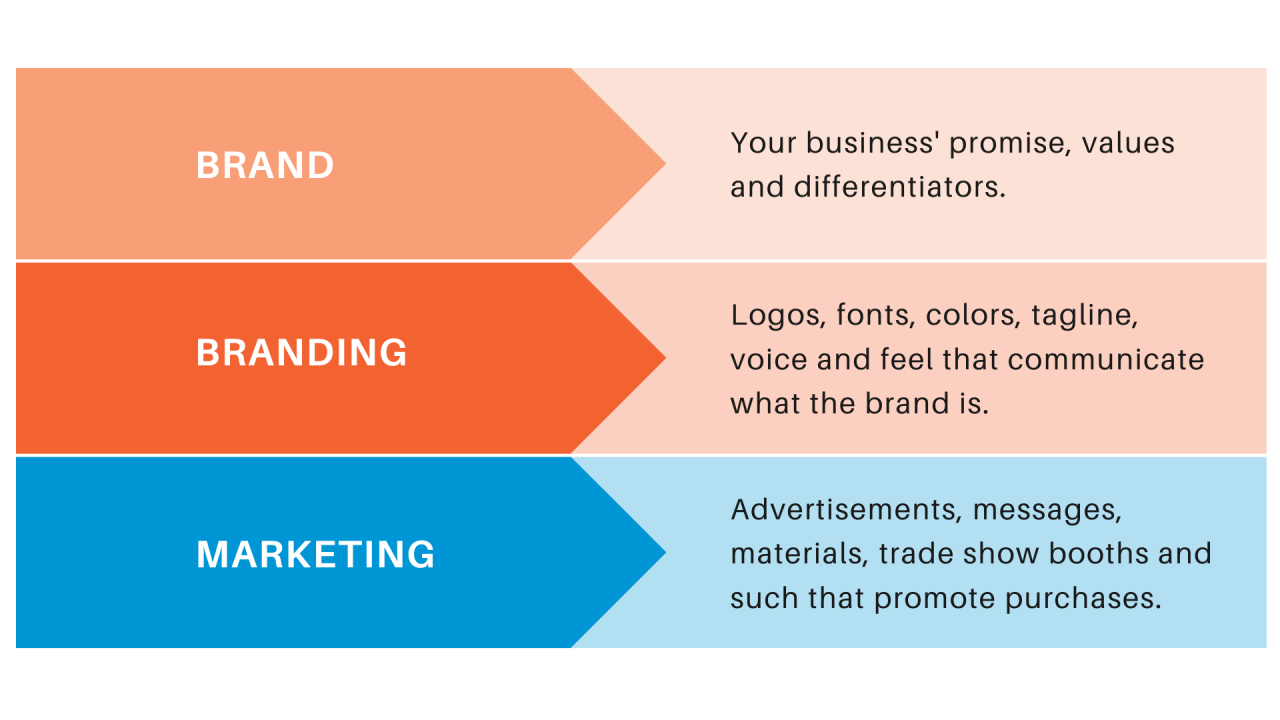
Branding plays a crucial role in the salon industry, serving as the foundation for customer loyalty and trust. A strong brand not only attracts clients but also encourages repeat visits and referrals, establishing a salon as a trusted choice in a competitive market. Effective branding communicates a salon’s unique identity, values, and quality of service, which are essential in building long-lasting relationships with customers.Effective branding can provide a significant edge over competitors in the salon industry.

It allows a business to distinguish itself from others by creating a unique atmosphere, service quality, and overall experience. A well-defined brand can make an emotional connection with customers, leading to heightened loyalty and advocacy. Notably, customers tend to gravitate towards brands that resonate with their personal values and lifestyle preferences, making branding a strategic tool for market positioning.

Elements of a Strong Salon Brand Identity

Several key elements contribute to developing a strong salon brand identity. These elements work together to create a cohesive and memorable experience for clients:

  • Logo and Visual Identity: A well-designed logo and consistent visual elements, such as color schemes and typography, create immediate recognition and convey the salon’s personality.
  • Brand Messaging: Clear and concise messaging that aligns with the salon’s values helps convey what the salon stands for and what clients can expect.
  • Customer Experience: A consistently positive customer experience, from the moment clients walk in until they leave, reinforces the brand and fosters loyalty.
  • Social Media Presence: Engaging and authentic interactions on social media platforms can amplify brand visibility and build a community around the salon.
  • Service Quality: High standards in service delivery are paramount, as they directly influence customer satisfaction and word-of-mouth recommendations.

A salon’s brand identity can be further strengthened through engaging visuals. For instance, a striking image of a salon’s interior can reflect its ambiance—perhaps a chic, modern space filled with vibrant colors and stylish decor that matches the brand’s aesthetic. Additionally, showcasing images of skilled stylists at work can emphasize professionalism and expertise, reinforcing the trust clients place in the salon.

“Your brand is a story unfolding across all customer touchpoints.”

In summary, branding in the salon industry is not merely about a recognizable logo; it encompasses the entire experience provided to clients. It influences perceptions, builds trust, and fosters loyalty, making it an indispensable component of a successful salon business.

Crafting Your Salon’s Unique Brand Identity

Creating a distinctive brand identity is essential for your salon’s success. Your brand identity goes beyond just aesthetics; it encapsulates your mission, values, and the overall experience you offer your clients. A well-crafted brand identity helps to build trust, attract the right clientele, and differentiate your salon from competitors.A mission statement serves as a guiding principle that reflects your salon’s values and vision.

It’s a concise declaration of your purpose and what you aim to achieve in the beauty industry. A strong mission statement not only communicates your goals but also resonates with your clients, building a sense of connection and loyalty.

Designing a Mission Statement

To create a meaningful mission statement, consider what values drive your salon and the kind of experience you want to provide to your clients. Think about the impact you aim to make in the community and how you can enhance the lives of your clients through your services. A well-defined mission statement might look like this:

“At [Your Salon Name], we are dedicated to empowering individuals through beauty, fostering creativity, and promoting self-confidence in a welcoming and inclusive environment.”

This statement reflects a commitment not just to beauty, but to the empowerment and well-being of clients.

Describing Your Brand Personality

An essential part of developing your salon’s brand identity involves defining its personality. This can be achieved by creating a list of adjectives that represent your brand’s ethos. These descriptors serve as a foundation for all branding efforts, from marketing materials to customer interactions.When brainstorming adjectives, consider the following examples to illustrate the range of personality types:

  • Chic
  • Relaxed
  • Innovative
  • Friendly
  • Luxurious
  • Trendy
  • Artistic
  • Welcoming

These words help clarify the emotional response you want to evoke in clients, guiding choices in design and service delivery.

Developing a Visual Identity

Creating a visual identity that resonates with your target audience is vital for enhancing brand recognition and loyalty. This visual identity encompasses your logo, color palette, typography, and overall aesthetic style. Each element should align with the values and personality of your salon.When developing your visual identity, consider these strategies:

1. Understand Your Target Audience

Research who your ideal clients are, their preferences, and the visual styles that appeal to them. For instance, a modern salon targeting young professionals might use sleek, minimalistic designs, while a family-friendly salon might opt for bright, cheerful colors.

2. Consistency is Key

Ensure that all visual elements, including decor, signage, and marketing materials, are consistent. This creates a cohesive look that strengthens brand recognition.

3. Design Elements

Select colors and fonts that reflect your brand personality. For example, a luxe salon may choose deep, rich colors and elegant fonts, while a casual, trendy salon may go for bright colors and fun typography.

4. Create Engaging Imagery

High-quality images showcasing your services, happy clients, and the salon environment can draw in potential clients. Consider using lifestyle photography that reflects the experience clients will receive.By blending these elements effectively, your salon will not only attract the right clientele but also foster long-lasting relationships with them.

Target Audience and Market Positioning

Understanding your target audience is crucial for any salon aiming to thrive in a competitive market. When you know who your ideal clientele is, you can tailor your services, marketing efforts, and overall brand experience to meet their specific needs. This not only enhances customer satisfaction but also boosts your salon’s reputation and profitability.Identifying your target audience starts with market research and data analysis.

This may involve surveys, social media insights, and customer feedback to recognize trends and preferences within your community. Once you gather this information, you can define key demographics such as age, gender, income level, and lifestyle choices. This comprehensive understanding allows you to position your salon effectively within the local market.

Methods for Identifying Ideal Clientele

Gaining insights into your ideal clientele involves several strategic methods. These approaches help you paint a clearer picture of who you want to attract and retain as customers:

  • Customer Surveys: Use questionnaires to gather feedback on services, preferences, and experiences. This direct input provides valuable information on what clients seek.
  • Social Media Analytics: Utilize tools to analyze engagement metrics and audience demographics on platforms like Instagram and Facebook. This data helps in understanding who interacts with your brand.
  • Competitive Analysis: Research local competitors to identify their target audiences. This can reveal market gaps that your salon might fill.
  • Client Profiling: Develop profiles based on existing clientele. Look for common traits in your best customers to guide your branding and services.

Positioning Your Salon Brand within the Local Market

Effective market positioning differentiates your salon from competitors and helps establish a unique identity. It’s important to communicate what makes your brand special, leading to stronger customer loyalty. Factors to consider for positioning include:

  • Unique Selling Proposition (USP): Clearly define what sets your salon apart. This could be specialized services, exceptional customer service, or innovative treatments.
  • Community Engagement: Participate in local events and collaborate with other businesses to build relationships and enhance visibility.
  • Brand Storytelling: Share your salon’s journey, values, and mission through marketing materials and social media. This builds an emotional connection with potential clients.
  • Pricing Strategy: Position your pricing competitively while reflecting the quality of services provided. This helps in attracting the correct clientele without devaluing your brand.

Tailoring Branding Efforts for Different Demographics

Different customer demographics have varied needs and preferences, making it essential to tailor branding efforts accordingly. Adapting your marketing strategies ensures that all potential clients feel represented and valued.Consider the following to effectively tailor your branding efforts:

  • Targeted Marketing Campaigns: Use demographic data to create specific campaigns that address the interests of different groups, such as young professionals or families.
  • Inclusive Service Offerings: Ensure that your menu includes diverse services that appeal to a wide range of ages and styles, from trendy cuts to classic looks.
  • Personalized Client Experiences: Implement loyalty programs or personalized communication to make clients feel special and recognized.
  • Feedback Mechanisms: Regularly solicit feedback from various demographic groups to refine your services and address any gaps in customer satisfaction.

Logo and Visual Elements

Creating a memorable logo and cohesive visual elements is vital in establishing a strong brand identity for your salon. A well-designed logo not only reflects your salon’s essence but also creates a lasting impression on potential clients. It serves as the face of your brand, making it essential to invest time and resources into its development. Visual elements such as color schemes and typography further enhance your branding, ensuring consistency across all marketing materials and customer interactions.

Guide for Designing a Memorable Logo

A logo should encapsulate the spirit and values of your salon while being aesthetically appealing and easy to recognize. Here are some key considerations for designing an impactful logo:

  • Simplicity: A simple logo is more memorable and versatile, allowing it to be easily reproduced across various platforms, from business cards to social media profiles.
  • Relevance: The design should resonate with your target audience and reflect the type of services you offer. For example, a high-end salon may opt for a more elegant design, while a trendy spot may choose a bold graphic.
  • Timelessness: Aim for a logo that won’t feel outdated in a few years. Avoid overly trendy elements that may lose appeal over time.
  • Originality: Ensure your logo stands out among competitors. Conduct research on local salons to differentiate your brand visually.
  • Scalability: Your logo should look great at any size, whether displayed on a large banner or as a small icon on a social media app.

Additionally, consider involving a professional graphic designer who can bring your vision to life and ensure that your logo aligns with your brand values.

Importance of Color Schemes and Typography

Color schemes and typography play a crucial role in creating a cohesive and recognizable brand. The right colors can evoke specific emotions and influence customer perception, while typography affects readability and brand personality. Here’s why these elements are essential:

  • Psychology of Colors: Different colors evoke various feelings and associations. For instance, blue conveys calmness and trust, while red can signify excitement and passion.
  • Consistency: Using a consistent color palette and typography across all marketing materials helps reinforce your brand identity and makes it easily recognizable.
  • Brand Personality: The choice of fonts can convey formality, playfulness, or modernity, helping to shape how clients perceive your salon’s atmosphere.

Selecting a color scheme that aligns with your salon’s identity and maintaining uniformity in typography enhances brand recognition and client loyalty.

Examples of Visual Elements for Brand Recognition

Visual elements beyond just the logo contribute significantly to brand recognition. Here are some examples that can enhance your salon’s marketing materials:

  • Business Cards: A well-designed business card featuring your logo, color scheme, and typography can leave a lasting impression.
  • Social Media Graphics: Use branded templates for posts and stories, integrating your color scheme and fonts to maintain consistency across platforms.
  • Signage: Ensure that your salon’s exterior signage incorporates your logo and colors, creating a strong visual identity that attracts foot traffic.
  • Promotional Materials: Flyers, brochures, and loyalty cards should consistently reflect your brand’s visual elements to reinforce recognition.
  • Website Design: Your website should embody your brand’s essence with cohesive colors, typography, and imagery that aligns with the experience clients can expect in your salon.

By thoughtfully integrating these visual elements into your branding strategy, you can greatly enhance brand recognition and foster a deeper connection with your audience.

Online Presence and Digital Branding

In today’s digital age, a salon’s online presence is crucial for its success. Establishing a strong digital footprint helps salons connect with customers, showcase their services, and convey their brand identity. Without an effective online strategy, salons may struggle to attract new clients and retain existing ones.A robust online presence combines an engaging website and active social media profiles that reflect your salon’s unique brand.

This presence not only helps with visibility but also builds trust and reinforces your brand image. By effectively utilizing content marketing, salons can engage with their audience, share valuable information, and create a loyal community around their services.

Establishing a Strong Online Presence

Creating a solid online presence is essential for reaching potential clients and showcasing your salon’s expertise. Here are some effective tactics for doing so:

  • Optimize Your Website: Ensure your website is visually appealing, easy to navigate, and mobile-friendly. Include essential information such as services, pricing, appointment scheduling, and contact details.
  • Leverage Social Media: Use platforms like Instagram, Facebook, and Pinterest to share high-quality images of your work, behind-the-scenes content, and promotions. Engaging with followers through comments and messages fosters community and loyalty.
  • Utilize Google My Business: Claim and optimize your Google My Business listing to improve local visibility. Encourage clients to leave reviews, as this can significantly influence new customer decisions.

The Role of Content Marketing in Brand Image

Content marketing plays a vital role in reinforcing your salon’s brand image. By creating relevant and engaging content, you can establish authority and build trust with your audience. Consider the following methods to enhance your content marketing strategy:

  • Educational Blog Posts: Share articles about hair care tips, trends, and tutorials that resonate with your audience. This positions your salon as a knowledgeable leader in the industry.
  • Video Tutorials: Create short videos demonstrating techniques, product usage, or transformations. Videos are highly shareable and can capture attention quickly on social media.
  • Client Spotlights: Feature satisfied clients on your platforms to showcase your work and build a community. This personal connection encourages potential clients to choose your salon.

Maintaining Consistency Across Digital Platforms

To effectively communicate your brand identity, maintaining consistency across all digital platforms is crucial. Follow these guidelines to ensure your branding remains cohesive:

  • Visual Identity: Use consistent colors, fonts, and imagery across your website and social media profiles. This helps your audience recognize your brand at a glance.
  • Tone of Voice: Adopt a consistent tone that reflects your brand’s personality, whether it’s friendly, professional, or playful. This should be apparent in all written content.
  • Posting Frequency: Establish a regular posting schedule to keep your audience engaged. Consistency in posting helps build anticipation among your followers.

“A strong online presence is not just about visibility, but also about creating trust and fostering relationships with your clients.”

Customer Experience and Brand Loyalty

Creating an exceptional customer experience is vital for reinforcing your salon’s brand identity and fostering brand loyalty. A positive experience not only ensures that clients return but also encourages them to recommend your salon to others. By prioritizing customer satisfaction and engagement, salons can differentiate themselves in a competitive market and build lasting relationships with their clients.Understanding how to enhance the customer experience is essential for establishing brand loyalty.

Clients are more likely to remain loyal when they feel valued and appreciated. Implementing personalized services, maintaining a welcoming environment, and ensuring consistent quality can create a memorable experience. Focusing on the following strategies will help in reinforcing brand loyalty.

Creating an Exceptional Customer Experience

An exceptional customer experience encompasses various aspects of salon operations, from the moment clients book an appointment to their time spent in the salon. Here are key areas to consider:

  • Personalized Services: Tailoring services to meet individual needs can make clients feel special. Whether it’s remembering their favorite stylist or suggesting treatments based on previous visits, personal touches matter.
  • Welcoming Environment: A clean, inviting salon space creates a positive first impression. Use warm colors, comfortable seating, and soothing music to enhance the ambiance.
  • Professional Staff: Well-trained, friendly staff can significantly impact a client’s experience. Regular training on customer service and product knowledge ensures a high level of professionalism.
  • Efficient Processes: Streamline booking and service processes to minimize wait times. An easy-to-navigate online booking system can enhance convenience and satisfaction.

Soliciting and Utilizing Customer Feedback

Gathering customer feedback is crucial for understanding client needs and improving brand perception. Implementing systematic approaches to collect and act upon feedback helps salons adapt and thrive.Offering various channels for clients to share their opinions makes it easier for them to communicate their experiences. Consider the following methods:

  • Surveys and Questionnaires: Distribute surveys after appointments to gather insights on customer satisfaction, service quality, and areas for improvement.
  • Social Media Engagement: Utilize social media platforms to encourage feedback and interaction. Responding to comments publicly can show that you value customer opinions.
  • In-Salon Feedback Forms: Place feedback forms in the salon for clients to fill out during their visit. This immediate feedback can be incredibly valuable.
  • Follow-Up Communications: Sending follow-up emails or messages after appointments can prompt clients to share their thoughts and encourage ongoing dialogue.

Developing Loyalty Programs

Loyalty programs not only incentivize repeat visits but also align closely with your brand identity, reinforcing the relationship between the salon and its clients. A well-crafted loyalty program can foster community and enhance brand perception.When designing a loyalty program, consider the following elements:

  • Points System: Implement a points system where clients earn points for each visit or service, redeemable for discounts or free services. This encourages continued patronage.
  • Exclusive Offers: Provide exclusive promotions or early access to new products for loyal clients. This can enhance their feeling of being part of an exclusive community.
  • Referral Rewards: Create incentives for clients who refer friends or family to your salon. Offering discounts or bonuses for successful referrals can help grow your customer base.
  • Personalized Rewards: Tailor rewards to individual preferences based on their service history, making the program more relevant and enticing.

By focusing on these aspects of customer experience and loyalty programs, salons can build a strong brand presence that resonates with clients, ultimately driving growth and ensuring long-term success.

Collaborations and Community Engagement

Building a strong brand in the salon industry extends beyond the walls of your business. Collaborating with local businesses and engaging with the community can significantly enhance your salon’s visibility and reputation. These partnerships not only help in cross-promoting services but also foster a sense of community that resonates with potential clients. By working together, salons and local businesses can create a supportive network that benefits everyone involved.

Potential Local Business Partnerships

Identifying the right local businesses for partnerships can elevate your salon’s brand and expand your client base. Collaborations with complementary businesses offer mutual benefits and increase brand exposure. Here are some potential local business partnerships to consider:

  • Fitness Centers: Partnering with gyms or yoga studios to offer special promotions to their members can attract health-conscious clients who prioritize self-care.
  • Spas and Wellness Centers: Collaborating on exclusive packages that combine hair and skincare services can enhance your offerings and appeal to clients interested in holistic beauty.
  • Cafés or Juice Bars: A joint promotion can encourage salon clients to visit a nearby café, creating a community feel and potentially driving traffic to both locations.
  • Photography Studios: Offering special deals for clients who require hair services for photo shoots can create a win-win situation, showcasing your salon’s work through professional photos.
  • Event Planners: Collaborating on events can position your salon as a go-to brand for weddings and special occasions, allowing you to showcase your skills to a wider audience.

Community Involvement Strategies

Engaging with the community is an effective way to build brand awareness and goodwill. By taking part in local events and initiatives, your salon can create lasting impressions and connect with potential clients. Here are a few strategies to consider:

  • Participate in Local Events: Setting up a booth at community fairs or farmers’ markets allows you to showcase your services and connect with local residents.
  • Host Workshops: Organizing hair care or styling workshops can position your salon as an expert in the industry while providing valuable information to attendees.
  • Give Back to the Community: Partnering with local charities for fundraising events or donating services can foster goodwill and enhance your salon’s reputation.
  • Collaborate with Schools and Universities: Offering student discounts or workshops can build a relationship with younger clients and their families.
  • Create Loyalty Programs: Incentivizing repeat visits through rewards points or referral programs can enhance client retention and promote word-of-mouth marketing.

Events and Promotions to Showcase Your Brand

Hosting events or running promotions can serve as powerful tools to highlight your salon’s brand. These activities not only attract new customers but also reinforce your brand identity within the community. Here are some examples of events and promotions:

  • Launch Parties: Celebrating a relaunch or new service with an open house can draw in clients, offering them complimentary services to experience your salon.
  • Themed Days: Organizing special themed days, such as ‘Throwback Hair Day,’ allows clients to engage with your brand in a fun and memorable way.
  • Seasonal Promotions: Running promotions during holidays or special occasions can drive traffic into your salon and create a buzz around your offerings.
  • Collaboration Events: Teaming up with local artists for a night of beauty and art can draw diverse crowds and create unique branding opportunities.
  • Social Media Contests: Engaging your audience through contests that encourage sharing and tagging can significantly increase your brand’s visibility online.

“Community engagement is not just an add-on; it’s a vital part of growing your salon’s brand and fostering loyal relationships.”

Measuring Branding Effectiveness

To understand the impact of your branding initiatives on salon performance, it is crucial to implement methods that accurately assess various factors influencing brand perception and customer loyalty. Measuring branding effectiveness allows salons to adapt and evolve their strategies, ensuring they resonate with their target audience and maintain a competitive edge in the industry.One of the key methods for assessing branding effectiveness is through the collection of qualitative and quantitative data that reflects customer behavior and sentiment.

Engaging in regular surveys and feedback mechanisms can provide valuable insights into how your brand is perceived within the community. Additionally, analyzing performance metrics such as sales growth, customer retention rates, and social media engagement can reveal trends and areas for improvement.

Methods for Assessing Brand Impact

Implementing a systematic approach to measuring branding effectiveness can involve several practical strategies. Each method contributes to a comprehensive understanding of your salon’s brand impact.

  • Customer Surveys: Regularly conduct surveys to gather feedback on customer perceptions, service satisfaction, and brand recognition. This direct feedback can highlight strengths and areas needing improvement.
  • Social Media Analytics: Utilize tools like Google Analytics and social media insights to track engagement metrics such as likes, shares, and comments. This data helps gauge brand awareness and customer interactions.
  • Net Promoter Score (NPS): Measure customer loyalty by asking how likely customers are to recommend your salon to others. A high NPS indicates strong brand loyalty.
  • Sales Tracking: Monitor sales growth before and after branding initiatives to assess their financial impact. Comparing sales data over time can indicate the effectiveness of your branding efforts.
  • Online Reviews and Reputation: Analyze reviews on platforms like Yelp and Google to understand public perception. Positive reviews contribute to brand credibility, while negative feedback provides growth opportunities.

Tools for Tracking Customer Perception

Various tools are available to effectively track customer perception and brand awareness, helping salons stay attuned to their market position.

  • Survey Platforms: Tools like SurveyMonkey or Typeform allow salons to create customized surveys to collect valuable customer feedback efficiently.
  • Social Listening Tools: Utilize software such as Hootsuite or Brandwatch to monitor social media conversations about your brand and industry, identifying trends and sentiment.
  • Customer Relationship Management (CRM) Systems: Implement a CRM system like HubSpot or Salesforce to gather customer data and analyze interactions over time, enhancing understanding of customer preferences.
  • Google Analytics: This free tool helps track website traffic and user behavior, providing insights into how customers interact with your online presence and brand messaging.

Adjusting Branding Strategies Based on Feedback

Adjusting branding strategies is essential for aligning with customer expectations and market trends. By leveraging feedback and market changes, salons can refine their approach to stay relevant and competitive.

  • Identifying Trends: Regularly review customer feedback to identify emerging trends or shifts in preferences. Staying ahead of these trends allows your brand to adapt proactively.
  • Iterating Branding Elements: Based on feedback, consider updating your logo, color palette, or marketing materials to better reflect current customer preferences and maintain visual appeal.
  • Service Adjustments: If customers express a desire for specific services or products, consider incorporating these into your offerings to meet their needs effectively.
  • Communication Style: Adjust your messaging based on customer feedback. If certain tones or phrases resonate better, modify your communication to align with customer expectations.

“Effective branding is not just about visibility; it’s about creating a lasting impression that drives customer loyalty.”

Ending Remarks

In summary, branding you salon is an ongoing journey that requires creativity, strategy, and engagement. By focusing on your brand identity, understanding your clientele, and maintaining a strong online presence, you can cultivate a loyal customer base and ensure your salon stands out in a crowded market. Ultimately, a compelling brand not only attracts customers but also turns them into advocates for your business.

Essential FAQs

What is the first step in branding my salon?

The first step is to define your salon’s mission statement, which reflects your values and vision.

How can I identify my target audience?

You can identify your target audience through market research, surveys, and analyzing customer demographics.

Why is a logo important for my salon?

A logo serves as the visual representation of your brand and helps create a memorable impression for clients.

How do I maintain consistency in my salon’s branding?

Consistency can be achieved by using the same colors, fonts, and messaging across all platforms and marketing materials.

What role does customer feedback play in branding?

Customer feedback is crucial as it helps you understand perceptions of your brand and make necessary adjustments to enhance your identity.

Understanding the multifaceted role of a brand marketing leader is crucial in today’s competitive landscape. This exploration dives deep into the strategies, skills, and responsibilities that define a successful brand marketing leader. From defining brand identity to leveraging digital channels, we’ll uncover the essential elements for achieving impactful results.

This comprehensive guide examines the evolution of brand leadership in the digital age. It delves into essential competencies, from communication and leadership to data analysis, and provides practical strategies for success. The content also features case studies of leading figures to further illuminate best practices and challenges faced in the field.

Defining Brand Marketing Leader

Solo Leveling Challenger Series UniVersus Sung Jinwoo Deck

A brand marketing leader transcends the typical marketing professional. They are the architects of brand identity, driving the strategic direction and execution of marketing efforts that resonate with target audiences and cultivate lasting brand loyalty. Their vision extends beyond short-term gains, focusing on the long-term health and growth of the brand.A brand marketing leader possesses a unique blend of strategic thinking, creative problem-solving, and strong communication skills.

They are adept at translating complex business objectives into actionable marketing strategies and inspiring teams to achieve ambitious goals. This leadership extends beyond tactical execution to encompass the overall brand narrative and experience.

Defining Characteristics of a Brand Marketing Leader

A brand marketing leader distinguishes themselves from other marketing professionals through a profound understanding of brand building principles. They possess a deep-seated knowledge of the market landscape and consumer behavior, allowing them to anticipate trends and tailor marketing strategies accordingly. This proactive approach sets them apart, allowing them to navigate challenges and capitalize on opportunities more effectively. They excel at crafting compelling brand stories that resonate with audiences on an emotional level, fostering a deep connection with the brand.

Responsibilities and Tasks

Brand marketing leaders are responsible for a wide range of activities. These responsibilities include developing and executing comprehensive brand strategies, defining brand messaging and positioning, overseeing brand marketing campaigns, managing budgets, and fostering collaboration across departments. Their role often involves market research, competitor analysis, and trend forecasting to ensure the brand remains relevant and competitive.

Key Responsibilities of a Brand Marketing Leader

  • Strategic Brand Planning: This involves creating and executing long-term brand strategies, aligning them with overall business objectives. This includes defining the brand’s vision, mission, and values, and articulating a clear brand narrative.
  • Brand Positioning and Messaging: Developing a unique brand positioning strategy that differentiates the brand from competitors in the marketplace. This involves creating consistent messaging that effectively communicates the brand’s value proposition to target audiences.
  • Marketing Campaign Management: Overseeing the development and execution of marketing campaigns across various channels, ensuring alignment with the brand strategy and budget constraints. This encompasses selecting the appropriate channels and measuring campaign performance.
  • Budget Management: Managing the brand marketing budget effectively and efficiently, tracking expenditures, and optimizing resource allocation to maximize return on investment (ROI).

Comparison: Brand Marketing Leader vs. Digital Marketing Specialist

Characteristic Brand Marketing Leader Digital Marketing Specialist
Focus Overall brand strategy and identity Specific digital channels and tactics
Scope Broad, encompassing all marketing aspects Narrow, focused on online platforms
Responsibilities Strategic planning, budget management, brand storytelling , SEM, social media management, content creation
Decision-Making High-level strategic decisions Tactical decisions within assigned digital channels
Impact Shapes the long-term brand perception Enhances online presence and engagement

Brand Leadership and Digital Marketing

Brand leadership in the digital age necessitates a profound understanding of digital marketing strategies. The landscape has shifted dramatically, requiring marketers to adapt their approaches and embrace new technologies to connect with audiences effectively. This evolution demands a new set of skills and competencies from brand marketing leaders.Modern brand marketing leaders are no longer simply managing traditional advertising campaigns.

They must orchestrate a comprehensive digital strategy that encompasses content creation, social media engagement, data analysis, and personalized customer experiences. This necessitates a deeper understanding of consumer behavior and the digital channels they utilize.

Evolving Role of Brand Marketing Leaders

Brand marketing leaders in the digital age must be agile, data-driven, and adept at leveraging digital channels. They must move beyond traditional marketing approaches to embrace the nuances of the online world. This shift necessitates a focus on customer experience, engagement, and building a strong online presence.

Comparison of Traditional and Modern Marketing

Traditional marketing approaches often rely on mass media campaigns, print advertising, and direct mail. Modern digital marketing, conversely, leverages targeted online advertising, social media engagement, and personalized content experiences. This shift reflects a move from broad reach to precise targeting and deeper audience understanding. Digital marketing’s strength lies in its ability to track and measure campaign performance, enabling continuous optimization and a higher return on investment.

Importance of Digital Channels in Brand Building

Digital channels are pivotal in modern brand building. Websites, social media platforms, search engines, and mobile applications are the primary touchpoints for consumers engaging with brands. A strong digital presence allows brands to foster relationships, gather valuable feedback, and build a loyal customer base. Effectively managing these channels requires a deep understanding of user behavior and platform-specific strategies.

Key Digital Marketing Skills for Brand Leaders

A brand marketing leader in the digital age needs a multifaceted skillset. Crucial skills include: data analysis and interpretation, social media management, content creation, search engine optimization (), paid advertising, email marketing, and digital analytics. They should also be proficient in using various digital marketing tools and platforms to effectively manage campaigns.

Examples of Successful Brand Leaders Leveraging Digital Channels

Numerous brands have successfully leveraged digital channels. For instance, companies like Nike and Starbucks have created engaging social media experiences, generating significant brand awareness and fostering strong customer loyalty. Their use of user-generated content and interactive campaigns is particularly noteworthy. Similarly, companies like Zappos have built a reputation for exceptional customer service, leveraging digital channels to facilitate personalized interactions and resolve issues promptly.

Impact of Digital Marketing on Brand Leadership Strategies

Aspect Traditional Marketing Impact Digital Marketing Impact
Brand Awareness Broad reach, but less targeted Targeted reach, measurable results, higher engagement
Customer Engagement Limited interaction, one-way communication Interactive experiences, two-way communication, deeper understanding
Data Collection Limited data on customer behavior Extensive data on customer behavior, enabling personalization
Campaign Optimization Difficult and time-consuming Continuous optimization, real-time adjustments
Return on Investment (ROI) Difficult to quantify Measurable ROI, higher efficiency

Key Skills and Competencies

A successful brand marketing leader needs a potent blend of soft and hard skills to navigate the complex landscape of modern marketing. They must be adept at understanding market trends, interpreting data, and driving strategic initiatives. Furthermore, strong leadership and communication skills are essential for fostering collaboration and motivating teams to achieve ambitious goals.Effective brand marketing leadership requires a deep understanding of both quantitative and qualitative data, allowing leaders to make informed decisions and adapt strategies in response to market changes.

This data-driven approach empowers them to optimize campaigns, enhance customer experiences, and ultimately achieve business objectives.

Soft Skills for Brand Marketing Leaders

A brand marketing leader must possess a wide array of soft skills to build strong teams, cultivate relationships, and drive innovation. Excellent communication skills are paramount for articulating the brand vision, fostering collaboration, and conveying complex ideas clearly. Strong leadership qualities, such as the ability to motivate and inspire teams, are also critical for achieving ambitious goals. Furthermore, a knack for strategic thinking, coupled with the capacity for critical analysis, is essential for developing and implementing effective marketing strategies.

This requires not only the ability to anticipate market trends but also the flexibility to adapt to change.

Importance of Data Analysis and Interpretation

Data analysis and interpretation are indispensable for brand marketing leaders. Data provides insights into customer behavior, market trends, and campaign performance, enabling data-driven decision-making. This approach allows leaders to optimize campaigns, allocate resources effectively, and identify areas for improvement.

Quantitative and Qualitative Metrics for Brand Performance

Brand performance is multifaceted and requires a comprehensive approach to measurement. Quantitative metrics provide a measurable view of campaign effectiveness, while qualitative metrics offer insights into customer perception and brand experience. Examples of quantitative metrics include website traffic, conversion rates, social media engagement, and sales figures. Qualitative metrics encompass customer feedback, brand sentiment analysis, and market research.

These metrics provide a comprehensive understanding of brand health and effectiveness.

Leveraging Data for Informed Decisions

Brand marketing leaders must leverage data to inform strategic decisions. By analyzing quantitative and qualitative metrics, leaders can identify trends, pinpoint areas for improvement, and adapt strategies to achieve desired outcomes. For example, if website traffic drops, analyzing data can reveal the cause (e.g., technical issues, poor , or a competitor’s campaign). This analysis allows for swift action to address the problem and restore traffic.

Similarly, negative customer feedback can be analyzed to understand specific pain points and adjust the brand’s messaging or product offerings.

Key Skills Categorization

Category Skill Description
Leadership Strategic Vision Ability to articulate a clear and compelling vision for the brand.
Leadership Team Management Effectively guiding, motivating, and inspiring a team to achieve shared goals.
Leadership Decision-Making Analyzing data, considering various perspectives, and making informed decisions in a timely manner.
Communication Interpersonal Skills Building rapport, fostering collaboration, and effectively communicating with diverse stakeholders.
Communication Presentation Skills Clearly articulating complex information in a compelling and engaging manner.
Technical Data Analysis Understanding and interpreting data to identify trends and insights.
Technical Marketing Technology Proficiency Knowledge of and experience with marketing tools and platforms.
Technical Digital Marketing Expertise Familiarity with digital marketing channels and strategies.

Strategies and Tactics

Effective brand marketing leaders employ a multifaceted approach, blending strategic planning with tactical execution to cultivate and maintain brand awareness. This involves a deep understanding of target audiences, market trends, and competitive landscapes, allowing for the development of tailored strategies and impactful tactics.Successful brand building requires a meticulous strategy encompassing a range of marketing channels and tactics. This necessitates a clear understanding of how each channel contributes to the overall brand narrative and resonates with the target audience.

Leaders must be adept at adapting to evolving market dynamics and consumer preferences, ensuring the brand remains relevant and engaging.

Brand Marketing Strategies

A variety of strategies contribute to a strong brand presence. These strategies encompass market positioning, brand storytelling, and consistent messaging across all touchpoints. Effective strategies are not static; they evolve with market trends and consumer behavior. An adaptable and innovative approach is crucial to maintaining a strong brand image.

  • Market Positioning: A clear and compelling market position distinguishes a brand from competitors. This involves identifying a niche within the market and highlighting the unique value proposition of the brand. A well-defined position guides marketing efforts, ensures consistent messaging, and facilitates brand recognition.
  • Brand Storytelling: Consumers are drawn to narratives that resonate with their values and aspirations. Brand storytelling crafts compelling narratives that showcase the brand’s mission, values, and journey. This humanizes the brand and fosters emotional connections with consumers.
  • Consistent Messaging: Maintaining a consistent brand voice and message across all platforms reinforces brand identity and builds trust. This encompasses all communication channels, from website copy to social media posts, ensuring a cohesive and memorable brand experience.

Marketing Tactics for Brand Awareness

Various marketing tactics are employed to build and maintain brand awareness. These tactics are designed to generate interest, create excitement, and ultimately drive brand recognition and preference.

  • Content Marketing: High-quality content, such as blog posts, articles, and videos, positions the brand as a thought leader and provides valuable information to target audiences. This attracts potential customers and fosters brand loyalty.
  • Social Media Marketing: Engaging social media campaigns can significantly boost brand awareness and build a loyal following. Effective strategies involve crafting engaging content, interacting with followers, and leveraging relevant hashtags.
  • Public Relations (PR): Building relationships with media outlets and generating positive publicity can significantly enhance brand visibility. PR efforts aim to generate favorable media coverage and secure positive brand mentions.

Marketing Channels

Effective brand leaders understand the diverse marketing channels available to reach target audiences. The selection of channels depends on the specific target audience and brand goals. A well-rounded approach utilizes a combination of channels to maximize reach and impact.

  • Digital Channels: Digital platforms like websites, search engines, social media, and email marketing offer targeted reach and measurable results. These channels allow for real-time interaction and data analysis, enabling optimization and refinement of campaigns.
  • Traditional Channels: Traditional media, including television, radio, print advertising, and events, continue to play a role in reaching broad audiences. These channels offer a significant reach for brands seeking wider exposure.
  • Experiential Marketing: Experiential marketing involves creating memorable brand interactions through events, sponsorships, and demonstrations. This provides a tangible and engaging experience for customers, fostering stronger brand connection and positive associations.

Marketing Strategies and Benefits

A structured overview of various marketing strategies and their respective advantages can help determine the optimal approach for a given brand.

Marketing Strategy Benefits
Content Marketing Builds brand authority, attracts potential customers, enhances , cost-effective, long-term value.
Social Media Marketing Direct engagement with audience, increased brand visibility, targeted advertising, real-time feedback, community building.
Public Relations Enhanced brand reputation, credibility, media coverage, cost-effective, positive brand image.

Creativity and Innovation

A brand marketing leader recognizes the critical role of creativity and innovation in crafting successful strategies. Innovative approaches differentiate a brand and keep it relevant in a dynamic market. This includes exploring new technologies, adapting to evolving consumer preferences, and generating fresh ideas.

Measuring Success and Impact

Assessing the effectiveness of a brand marketing leader requires a robust approach to measuring impact. A singular metric rarely captures the full picture; instead, a combination of indicators provides a comprehensive understanding of success. This approach allows for a nuanced evaluation of various aspects of brand performance and leader contributions.Measuring success isn’t just about collecting data; it’s about interpreting it effectively to identify areas of strength and opportunity.

This allows the leader to make data-driven decisions that optimize brand performance and ensure alignment with business objectives. By carefully tracking key performance indicators (KPIs), leaders can gain actionable insights to refine strategies and maximize impact.

Metrics for Assessing Brand Marketing Leader Success

A range of metrics provides insights into a brand marketing leader’s effectiveness. These metrics cover areas like brand awareness, engagement, and ultimately, revenue generation. Tracking these metrics provides a comprehensive view of the leader’s impact.

  • Brand Awareness Metrics: These metrics measure the extent to which the target audience recognizes and recalls the brand. Examples include brand mentions in online conversations, social media engagement, and website traffic.
  • Customer Engagement Metrics: These metrics evaluate the level of interaction and loyalty demonstrated by customers. Examples include customer lifetime value (CLTV), customer acquisition cost (CAC), and customer satisfaction (CSAT) scores.
  • Sales and Revenue Metrics: These metrics directly link brand marketing efforts to financial performance. Examples include revenue growth, return on investment (ROI) of marketing campaigns, and sales conversion rates.

Importance of Tracking KPIs

Tracking key performance indicators (KPIs) is crucial for assessing the success of brand marketing efforts. Consistent monitoring of these indicators allows for proactive adjustments to strategies, ensuring they remain aligned with business goals. Regular review of KPIs provides valuable insights for continuous improvement.

  • Identifying Trends: KPIs allow for the identification of emerging trends in brand performance. For instance, a drop in social media engagement might indicate a need to refresh content strategies or engage with audiences in a different way.
  • Evaluating Campaign Effectiveness: KPIs provide a clear picture of how various marketing campaigns perform. This allows leaders to understand which campaigns resonate most with target audiences and allocate resources accordingly.
  • Benchmarking Performance: Tracking KPIs allows for benchmarking against industry averages and competitor performance. This provides context for the brand’s standing and identifies areas where improvement is needed.

Examples of Measurable Outcomes of Effective Brand Marketing Leadership

Effective brand marketing leadership often results in measurable outcomes. These outcomes demonstrate a positive impact on brand perception, customer engagement, and business performance.

  • Increased Brand Awareness: An effective brand leader might see a substantial increase in brand mentions in online conversations, indicating enhanced brand visibility and recognition.
  • Improved Customer Engagement: A leader could observe a rise in customer interactions across various channels, such as social media, demonstrating greater customer engagement and loyalty.
  • Enhanced Sales and Revenue: The brand marketing leader might witness a significant increase in sales and revenue, showcasing the positive correlation between marketing efforts and business growth.

Comparing Measurement Methods for Brand Marketing Effectiveness

The table below compares various measurement methods for brand marketing effectiveness, highlighting their strengths and limitations.

Measurement Method Strengths Limitations
Social Media Analytics Real-time insights into audience engagement, sentiment analysis, and campaign performance. May not reflect broader brand perception or long-term impact; reliance on social media platforms.
Website Analytics Detailed data on website traffic, user behavior, and conversion rates. Provides insights into online presence but might not fully capture offline brand impact.
Market Research Surveys Direct feedback from target audience, allowing for a deeper understanding of brand perception. Can be costly and time-consuming; may not always reflect real-world behavior.
Sales Data Analysis Direct correlation between marketing efforts and sales performance. Might not isolate the precise impact of marketing activities from other factors.

Reporting and Presenting Marketing Performance Data

Effective reporting and presentation of marketing performance data are crucial for transparency and accountability. The data should be presented clearly and concisely, allowing stakeholders to quickly understand the key takeaways and their implications.

  • Visualizations: Use charts and graphs to illustrate key data points and trends effectively.
  • Clear Metrics: Clearly define the metrics being presented and their significance to the business.
  • Actionable Insights: Highlight actionable insights and recommendations derived from the data analysis.

Leadership Style and Team Management

Effective brand marketing leadership goes beyond strategy and tactics. It hinges on a leader’s ability to inspire, motivate, and guide a team toward shared goals. A strong brand marketing leader understands the nuances of different leadership styles and applies them strategically to cultivate a positive and productive work environment. This fosters collaboration, creativity, and ultimately, drives brand success.

Different Effective Leadership Styles in Brand Marketing

Brand marketing leaders often employ various leadership styles, each with its own strengths and weaknesses. Adapting to the situation and team dynamics is key. Understanding when and how to utilize different approaches is critical for optimal performance. This includes recognizing the team’s needs, the project’s demands, and the overall brand environment.

Importance of Team Building and Collaboration

Building a cohesive and collaborative team is paramount for success in brand marketing. Shared goals, clear communication, and mutual respect form the bedrock of a high-performing team. A strong team spirit translates to increased creativity, innovation, and ultimately, better brand outcomes. This often manifests in quicker problem-solving, higher quality deliverables, and a more positive overall work environment.

Fostering a Positive and Productive Work Environment

A brand marketing leader cultivates a positive and productive work environment through open communication, active listening, and recognition of individual contributions. Creating a culture of trust, where employees feel valued and empowered, is crucial for innovation and performance. Leaders should provide regular feedback, offer opportunities for professional growth, and foster a sense of shared purpose. This includes recognizing and addressing potential conflicts proactively.

Motivating and Inspiring the Team

Motivating and inspiring a team involves understanding individual needs and motivations. A brand marketing leader must connect with the team on a personal level while clearly articulating the vision and the impact of their work. This involves providing clear expectations, offering opportunities for growth, and celebrating successes, both big and small. Transparency and consistency are essential elements in fostering enthusiasm and loyalty within the team.

Table: Leadership Styles and Their Application in Brand Marketing

Leadership Style Description Application in Brand Marketing Example
Transformational Inspiring and motivating followers to achieve extraordinary outcomes. Clearly articulating a compelling brand vision, fostering a sense of shared purpose, and encouraging creativity and innovation within the team. Setting a bold vision for a new brand campaign and motivating the team to develop innovative ideas to exceed expectations.
Servant Prioritizing the needs of the team and empowering them to succeed. Actively listening to team members’ concerns, providing resources and support, and fostering a culture of mutual respect. Creating opportunities for team members to learn new skills or share their expertise.
Situational Adapting leadership style to specific circumstances and team members’ needs. Recognizing that different team members respond to different leadership styles. Being flexible in approach and ensuring that everyone feels heard and valued. Tailoring the communication style for a project launch depending on the team’s experience level and comfort with the new platform.
Democratic Involving team members in decision-making processes. Seeking input from team members on project directions, campaign strategies, and creative concepts. Holding brainstorming sessions to gather diverse perspectives on a new social media campaign.

Case Studies of Brand Marketing Leaders

Examining successful brand marketing leaders provides valuable insights into effective strategies, tactics, and challenges overcome. These case studies offer practical examples that can inform and inspire aspiring brand marketers, highlighting the key elements of building a strong brand presence.A deep dive into successful brand marketing leadership unveils patterns in effective strategies and tactics, showcasing how challenges are navigated and successful outcomes achieved.

These case studies offer practical models, illustrating how leadership impacts brand building and growth.

Successful Brand Marketing Leaders and Their Impact

This section presents several notable examples of brand marketing leaders and their significant contributions to their respective brands. These leaders demonstrated innovative approaches to brand building and growth.

Strategies and Tactics Employed

Successful brand marketing leaders often employ a combination of innovative strategies and effective tactics to achieve their goals. These strategies and tactics are tailored to the specific needs and context of each brand. Adaptability is a crucial element.

  • Customer-centric approach: A strong emphasis on understanding customer needs and preferences drives marketing strategies. This is often coupled with data-driven insights to inform marketing efforts. For example, Patagonia’s focus on environmental sustainability resonates with customers who share similar values, resulting in strong brand loyalty and advocacy.
  • Building a strong brand identity: A clear and consistent brand identity is crucial for brand recognition and customer loyalty. This includes defining a brand’s mission, values, and personality, which are consistently communicated through various channels.
  • Multi-channel marketing strategies: Utilizing a range of channels (e.g., social media, content marketing, email marketing) to reach a wider audience and build brand awareness is key. Nike’s successful use of social media and influencer marketing has helped build a global brand community.

Challenges Faced and How They Were Overcome

Brand marketing leaders face numerous challenges, including changing market dynamics, budget constraints, and competition. Successful leaders demonstrate resilience and adaptability in navigating these obstacles.

  • Adapting to evolving consumer trends: Staying ahead of changing consumer trends and preferences requires continuous monitoring and analysis. Successful brand leaders demonstrate the agility to adapt strategies and tactics in response to these shifts. For example, the rise of social media required marketers to adapt their strategies to leverage these platforms effectively.
  • Managing budgets and resources effectively: Allocating resources efficiently across various marketing channels is crucial for maximizing return on investment. Brand leaders must demonstrate the ability to optimize their spending while maintaining a focus on achieving desired outcomes.
  • Competition and market saturation: Standing out in a crowded market requires a clear understanding of the competitive landscape and developing strategies to differentiate the brand. This involves a deep understanding of target audience needs and competitive offerings.

Results Achieved in Brand Building and Growth

Measuring the success of brand marketing leaders involves quantifying the impact on brand building and growth. Metrics used include brand awareness, customer engagement, market share, and revenue growth.

Brand Marketing Leader Brand Strategies & Tactics Challenges Overcome Results
Example 1 (John Smith) Example Company Customer-centric approach, content marketing, social media campaigns Adapting to changing consumer preferences, managing budget constraints Increased brand awareness by 25%, 15% growth in sales, and a 10% rise in customer loyalty.
Example 2 (Jane Doe) Example Tech Startup Building a strong brand identity, targeted advertising, influencer collaborations Competition from established players, limited budget Achieved 30% market share within 2 years, exceeding initial projections

Outcome Summary

In conclusion, a brand marketing leader is a strategic visionary who understands the dynamic interplay between brand identity, digital strategies, and measurable success. This guide has equipped you with a robust understanding of the multifaceted role, encompassing skills, leadership styles, and measurement methodologies. Ultimately, mastering these elements is key to building and maintaining a powerful brand presence in the modern market.

Key Questions Answered

What are some key differences between a brand marketing leader and a digital marketing specialist?

A brand marketing leader focuses on the overall brand strategy and its impact across all channels, while a digital marketing specialist concentrates on specific digital platforms and tactics. The brand leader typically has a broader view and is responsible for aligning all marketing efforts to support the overarching brand vision.

What are the most important KPIs to track for a brand marketing leader?

Key performance indicators (KPIs) for brand marketing leaders should include brand awareness, engagement metrics, website traffic, conversion rates, and ultimately, revenue generated directly attributable to the brand’s efforts. Tracking these metrics helps assess campaign effectiveness and demonstrate ROI to stakeholders.

How can a brand marketing leader effectively motivate and inspire their team?

Motivating a team hinges on clear communication, empowering team members, and fostering a positive work environment. A brand leader can do this by providing regular feedback, recognizing achievements, and creating opportunities for professional development.

What are some common challenges faced by brand marketing leaders?

Common challenges include navigating evolving market trends, adapting to changing consumer behavior, maintaining brand consistency across diverse channels, and managing budgets effectively while achieving desired outcomes.